

Key Takeaways
-
Electric vehicle (EV) sales are projected to keep rising in 2024, making up nearly a quarter of all vehicle sales.
-
Battery technology is advancing, with solid-state batteries potentially increasing range and reducing charge times.
-
Charging infrastructure is expanding, with more public charging stations and home charging solutions becoming available.
-
Prices for EVs are expected to decline, making them more accessible to a wider range of consumers.
-
Environmental concerns continue to drive the market, with consumers increasingly opting for sustainable transportation options.
Steady Growth and Enhanced Models
When we talk about the future of transportation, it’s clear that electric vehicles (EVs) are not just a passing fad—they are here to stay and grow. By 2024, the EV market is expected to continue its upward trajectory. It’s not just about more cars on the road; it’s about better, smarter, and more diverse options for everyone. So, what’s fueling this growth? For starters, car manufacturers are releasing a broader range of models, catering to different needs and budgets. This means more choices for you, whether you’re looking for a compact city car or a spacious family SUV.
Innovations in Battery Technology
One of the most exciting developments to keep an eye on is battery technology. We’re on the cusp of a breakthrough with solid-state batteries. Imagine charging your EV in almost the same time it takes to fill up a gas tank—this could soon be a reality. Because these batteries are more efficient, they can potentially increase an EV’s range, making ‘range anxiety’ a thing of the past. This is big news, especially if you’ve been hesitant to go electric due to fears of running out of juice on long trips.
Expansion of Electric Infrastructure
As more people switch to electric, the need for charging stations is growing. By 2024, you can expect to see even more public charging options, making it easier to top up your battery wherever you are. But that’s not all—home charging is also getting a boost. More affordable and convenient home charging solutions are being developed, so you can wake up to a fully charged car every morning.
|
Year |
Range (km) |
Acceleration (0-100 km/h) |
Fast Charge Time |
Price (€) |
|
|---|---|---|---|---|---|
|
Lucid Air |
2024 |
550 |
1.8 s |
30 min |
2,400,000 |
|
Porsche Taycan |
2024 |
463 |
2.8 s |
– |
108,632 |
|
BMW i7 |
2024 |
– |
– |
– |
– |
|
Genesis Electrified G80 |
2024 |
– |
– |
– |
– |
|
Maserati GranTurismo Folgore |
2024 |
– |
– |
– |
– |
|
BMW i5 |
2025 |
– |
– |
– |
– |
|
Tesla Model S |
2024 |
– |
– |
– |
– |
|
Audi e-tron GT |
2024 |
– |
– |
– |
– |
|
Mercedes-Benz EQE |
2024 |
– |
– |
– |
– |
|
Mercedes EQS SUV |
2024 |
– |
– |
– |
104,400 |
This table showcases a selection of the top 10 luxury electric cars for 2024
The Rise of Autonomous Electric Vehicles
Another trend that’s revving up is autonomous driving technology. Electric vehicles and self-driving technology are a perfect match. By 2024, we’ll likely see more EVs with advanced driver-assistance systems, paving the way for fully autonomous driving in the future. This isn’t just cool tech—it’s about making roads safer and driving more efficient.
Now, let’s dive into the specifics and see what the numbers say about the future of EVs.
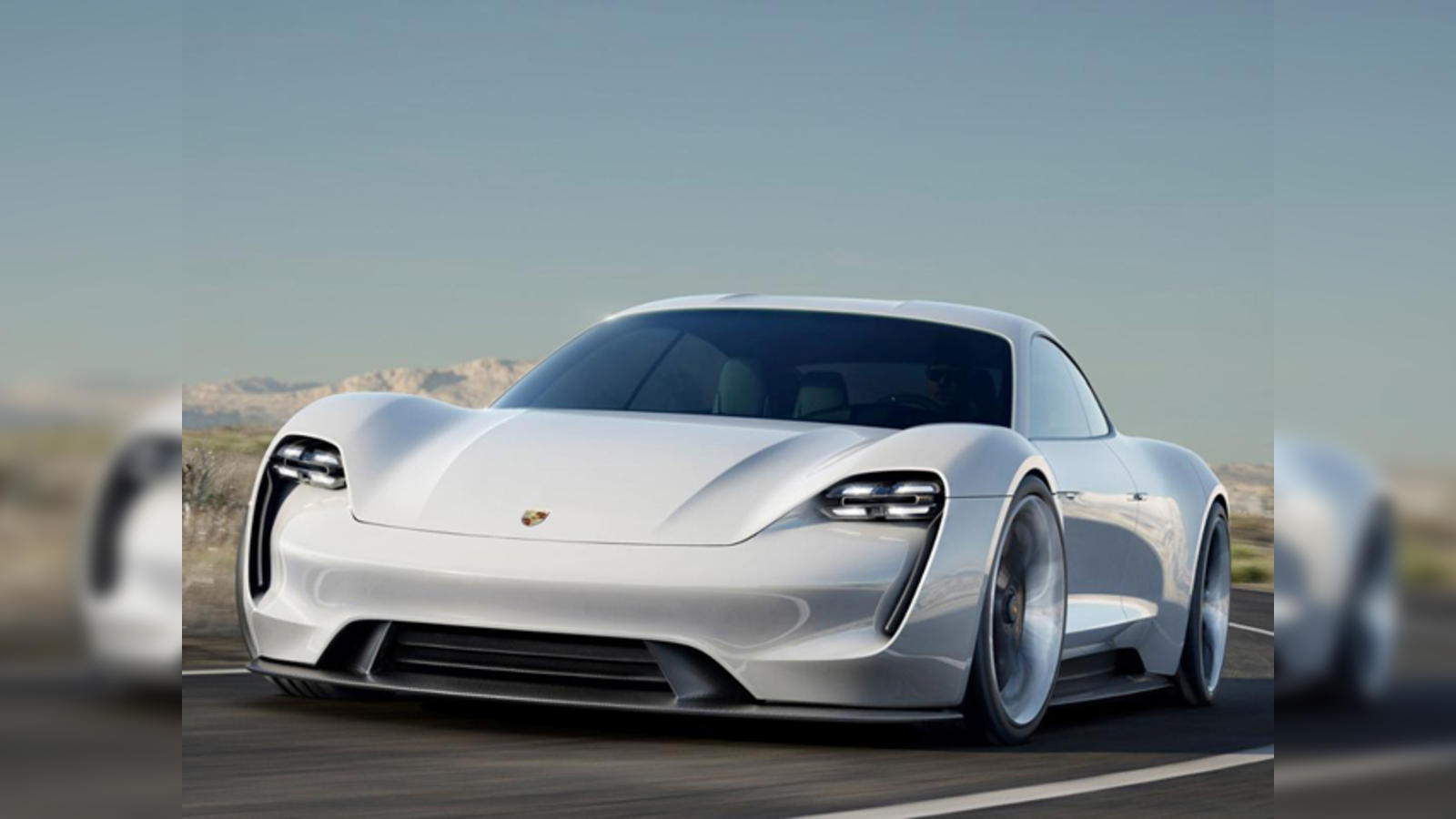
Revving Up: Electric Vehicle Sales Projections
Electric vehicles are not just a drop in the ocean anymore. They’re becoming a significant part of the automotive landscape. In 2024, EVs are projected to account for almost 24% of vehicle sales. This is huge when you consider that just a few years ago, EVs were a rarity on the roads. So, what’s driving this surge? It’s a combination of factors, including technological advancements, environmental awareness, and economic incentives.
Global EV Sales Climb
Let’s look at the big picture first. Across the globe, EV sales are climbing. This isn’t a trend isolated to one region or country—it’s happening worldwide. Countries are setting ambitious targets to cut down on emissions, and EVs are a key part of reaching those goals. But it’s not just about government policies; consumers are also voting with their wallets, choosing EVs for their lower running costs and environmental benefits.
Regional Market Booms
Within the global upswing, certain regions are emerging as powerhouses in the EV revolution. Asia, for example, is experiencing a significant boom, led by China’s aggressive EV policies and manufacturing capabilities. Europe isn’t far behind, with countries like Norway and the Netherlands showing some of the highest EV adoption rates in the world. Meanwhile, the United States is catching up, with states like California driving the charge towards a greener future on the roads.
Plugging In: The Charging Network Evolution
As the number of electric vehicles on the road increases, so does the need for a robust charging network. By 2024, expect to see a more interconnected and user-friendly network of charging stations. This expansion is crucial because it gives drivers the confidence to travel longer distances, knowing that they have plenty of options to recharge along the way.
Most importantly, the evolution of the charging network is not just about quantity but also about quality. Fast-charging stations are becoming more prevalent, which means you can recharge your EV’s battery to 80% in as little as 30 minutes. This is a game-changer for long-distance travel and for those who can’t charge at home.
Home Charging Solutions
Home is where the heart is, and for many EV owners, it’s also where the charger is. Home charging is a convenient option for EV owners, and by 2024, it’s set to become even more accessible. We’re seeing a trend towards smarter, more compact, and less expensive home chargers that can be easily installed in a garage or driveway. Some can even be managed via a smartphone app, allowing you to schedule charging sessions to take advantage of off-peak electricity rates.
Public and Fast Charging Developments
Beyond the home, public and fast charging networks are expanding at an impressive rate. Cities and companies are investing in public charging stations, located in shopping centers, parking lots, and along highways. These developments are critical in supporting the growing number of EV drivers who need to power up while on the move. And with the introduction of ultra-fast charging stations, the convenience factor is skyrocketing.

The Cost Factor: How Affordability is Fuelling the Charge
A major factor that’s driving the EV market forward is affordability. As battery costs continue to fall and manufacturing scales up, EVs are becoming more price-competitive with traditional gasoline vehicles. By 2024, we’re likely to see a tipping point where, for many buyers, EVs are the economical choice, not just the environmentally friendly one. Learn more about the environmental benefits and cost savings of electric vehicles.
Price Trends and Consumer Accessibility
The trend is clear: the cost of owning an EV is coming down. This is good news for consumers, as it means that the initial price of buying an EV is more in line with traditional vehicles. Additionally, the lifetime cost of ownership is typically lower for EVs, thanks to reduced maintenance and energy costs. This price parity is a key driver in making EVs accessible to a broader audience.
Government Incentives and Policies
Government incentives are also playing a pivotal role in making EVs more affordable. Tax credits, rebates, and subsidies are being offered around the world to reduce the upfront cost of EVs. Furthermore, policies like zero-emission vehicle mandates and the phasing out of internal combustion engine vehicles are creating a favorable environment for the growth of the EV market.
The Green Drive: Environmental Impact and Consumer Choice
The push towards EVs isn’t just about innovation or economics; it’s also about the planet. The transportation sector is a significant contributor to greenhouse gas emissions, and switching to EVs can help reduce our carbon footprint. Consumers are increasingly aware of the environmental impact of their choices and are choosing EVs as a way to drive change—literally.
Because of this, EV manufacturers are not only focusing on the vehicles themselves but also on how they fit into a larger ecosystem of renewable energy and sustainability. This holistic approach is resonating with consumers who want to make a positive impact on the environment.
The green movement is not just about what we can see; it’s also about the air we breathe. The environmental impact of EVs is significant, as they produce zero emissions at the point of use. This is a stark contrast to the pollution associated with gasoline and diesel vehicles. Therefore, the shift to EVs is critical in the fight against climate change and urban air pollution.
Additionally, the integration of EVs with renewable energy sources like solar and wind power further amplifies their environmental benefits. As the energy grid becomes greener, so does every mile driven by an EV. This synergy between clean energy and clean transportation is a powerful one, and it’s gaining momentum as we head into 2024.
Besides that, the lifecycle emissions of EVs are also becoming a focal point. Manufacturers are working to reduce the carbon footprint of producing EVs, and recycling programs for batteries are being developed. This circular approach to the EV ecosystem is making them even more sustainable over the long term.
In conclusion, the EV market in 2024 is set to be dynamic, diverse, and driven by innovation. With continued growth in sales, advancements in technology, an expanding charging network, greater affordability, and a clear environmental advantage, EVs are charging ahead. It’s an exciting time to be a part of this sustainable transportation revolution.

Frequently Asked Questions (FAQ)
Why are electric vehicle sales expected to grow in 2024?
Electric vehicle sales are expected to grow in 2024 due to a combination of factors. These include advancements in battery technology, a broader range of models available, an expanding charging network, and a growing consumer demand for sustainable transportation options. Additionally, government incentives and policies aimed at reducing carbon emissions are encouraging more people to consider EVs as a viable alternative to traditional combustion engine vehicles.
What innovations in battery technology are anticipated for 2024?
In 2024, we anticipate significant innovations in battery technology, such as the development and potential commercialization of solid-state batteries. These batteries promise faster charging times, longer range, and increased safety. Other advances may include improved battery management systems and new materials that enhance battery performance and lifespan.
How is the electric charging network expected to evolve by 2024?
The electric charging network is expected to evolve significantly by 2024, with an increase in the number of public charging stations, including fast-charging stations. We also expect to see improvements in the availability and convenience of home charging solutions. The charging infrastructure will likely become more integrated and user-friendly, supporting the growing number of EV drivers.
Will electric vehicles become more affordable in 2024?
Yes, electric vehicles are expected to become more affordable in 2024. This is due to decreasing battery costs, economies of scale as EV production increases, and continued government incentives that reduce the upfront cost of purchasing an EV. As a result, EVs are becoming more competitive with traditional gasoline vehicles, making them accessible to a wider range of consumers.
How does the environmental impact influence consumer choice in electric vehicles?
The environmental impact heavily influences consumer choice in electric vehicles. As awareness of climate change and air pollution increases, more consumers are turning to EVs to reduce their carbon footprint and contribute to a cleaner environment. The desire to participate in sustainable practices and the growing availability of green energy sources are also factors that encourage consumers to choose EVs. For a deeper understanding of the environmental benefits of electric over gas vehicles, see our analysis on electric vs gas vehicles environmental impact.