

Imagine cruising down the highway, the only sound is the whisper of the wind because you’re driving an electric vehicle (EV). It’s a smooth ride, and you’re feeling good about not pumping CO2 into the atmosphere. But as we switch gears towards a greener future, it’s essential to look under the hood and understand the environmental effects of EV batteries.
Article-at-a-Glance
-
Electric vehicles (EVs) are beneficial for reducing emissions, but their batteries have environmental impacts.
-
Battery production involves resource-intensive processes and the mining of rare earth elements.
-
Disposal and recycling of EV batteries present significant environmental challenges.
-
Advancements in technology and responsible practices can minimize the ecological footprint of EV batteries.
-
Understanding these impacts helps consumers make informed decisions and drive change towards more sustainable practices.
Breaking Down Electric Vehicle Battery Sustainability
Most people know EVs are great for reducing our carbon footprint. However, the sustainability of EV batteries is a complex topic. To truly understand it, we need to break it down into bite-sized pieces. Let’s start by exploring what goes into these batteries and how they work over their lifetime.
The Core Components of EV Batteries
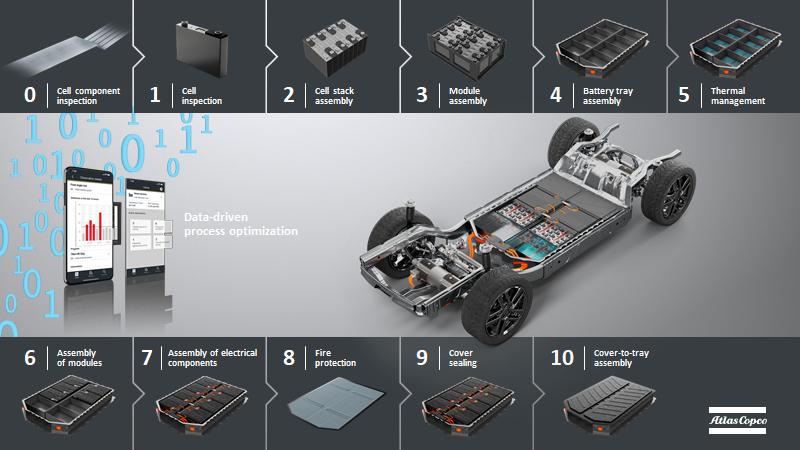
At the heart of every electric vehicle is its battery. It’s not just any battery; it’s a sophisticated pack of lithium-ion cells, much like the ones that power our smartphones, but on a much larger scale. These batteries are made up of:
-
Lithium: A lightweight metal that’s key for storing large amounts of energy.
-
Cobalt and nickel: Metals that help increase energy density, allowing cars to go further on a single charge.
-
Graphite: Used in the anode of the battery, it’s crucial for the battery’s ability to recharge.
But here’s the catch: extracting these materials often involves mining, which can lead to environmental degradation and human rights concerns.
Lifecycle Analysis of EV Batteries
When assessing the environmental impact of EV batteries, we must consider their entire lifecycle, from cradle to grave. This includes:
-
Mining: Extracting the raw materials needed for battery production.
-
Manufacturing: The actual production of the batteries, which requires significant energy and water.
-
Usage: The daily charging and discharging, which affects the battery’s longevity and performance.
-
Disposal: What happens to the batteries at the end of their life in the vehicle, including recycling and landfill impacts.
Each stage has its own set of environmental challenges that we need to tackle to make EVs truly sustainable.
|
Car Company |
Sustainability Initiatives |
|---|---|
|
BYD |
BYD signed a battery pack factory agreement with KG Mobility to develop next-generation hybrid systems, showcasing a commitment to advancing battery technology sustainably |
|
Samsung SDI |
Samsung SDI secured a supply deal with Hyundai Motor Company to provide prismatic batteries for Hyundai’s electric vehicles in the European market from 2026 to 2032, indicating a focus on sustainable battery solutions |
|
LG Energy Solution |
LG Energy Solution entered a supply agreement with Toyota Motor North America to provide lithium-ion battery modules for Toyota’s vehicles starting from 2025, demonstrating a dedication to supplying advanced and sustainable battery solutions |
|
Gotion High-tech and BASF |
Gotion High-tech and BASF signed an MoU to enhance cooperation in material science, emphasizing their joint efforts towards sustainable battery technologies, highlighting a commitment to eco-friendly solutions in the industry |
|
Vehicle Energy Japan Inc. |
Vehicle Energy Japan Inc. announced the adoption of its lithium-ion battery module in the Compact Crossover “JUKE” Hybrid launched in Europe by Nissan Motor Co., Ltd, showcasing a contribution to sustainable energy storage solutions and electric mobility advancement |
By comparing these car companies’ sustainability initiatives in the electric vehicle battery sector, it is evident that each entity is actively engaged in promoting sustainable practices through partnerships, technological advancements, and eco-friendly solutions.

What is the dark side of electric cars?
Electric cars are often hailed as the heroes of the automotive world, but they have a dark side too, particularly when it comes to their batteries. It’s not all doom and gloom, though. By shedding light on these issues, we can work towards solutions that make EVs more planet-friendly.
Environmental Footprint of Battery Production
Let’s talk about the elephant in the room: the environmental footprint of producing EV batteries. It’s a big one, and here’s why:
-
The mining of lithium, cobalt, and nickel has been linked to environmental pollution and water scarcity.
-
Manufacturing a single EV battery is energy-intensive and contributes to greenhouse gas emissions.
-
Transporting these heavy batteries from factories to assembly plants also adds to their carbon footprint.
These factors combined mean that while EVs don’t emit exhaust fumes, their batteries come with a significant environmental price tag.
The Challenges of Battery Disposal
What happens when an EV battery reaches the end of its life? The answer isn’t as green as you might hope. Disposal poses real environmental challenges:
-
Batteries can contain hazardous materials that, if not disposed of properly, can harm the environment.
-
Recycling EV batteries is complex and not yet widely available, leading to concerns about waste and pollution.
But there’s a silver lining. With the right recycling technologies and policies, we can reduce the impact of battery disposal on our planet.
Factors Affecting Battery Longevity
Did you know that how you use and charge your EV battery can make a big difference in how long it lasts? That’s right, and here are some of the key factors:
-
Temperature: Extreme heat or cold can strain the battery, leading to faster degradation. For more details on how temperature affects your EV, check out this troubleshooting guide.
-
Charging habits: Consistently charging your battery to 100% or letting it drain to 0% can shorten its life.
-
Driving style: Just like with traditional cars, aggressive driving can wear out your EV battery quicker.
By understanding these factors, we can take steps to extend the life of our EV batteries and, in turn, reduce their environmental impact.
Common Degradation Patterns
Batteries don’t last forever, and EV batteries are no exception. Over time, they lose their ability to hold a charge, which is a process known as degradation. This happens for a few reasons:
Firstly, every time you charge and discharge your battery, it goes through a cycle. These cycles gradually wear down the battery’s capacity. Secondly, the chemical reactions inside the battery that release energy also lead to wear and tear. And finally, factors like high temperatures can speed up these reactions, causing the battery to degrade even faster.
Technologies Reducing the Environmental Burden
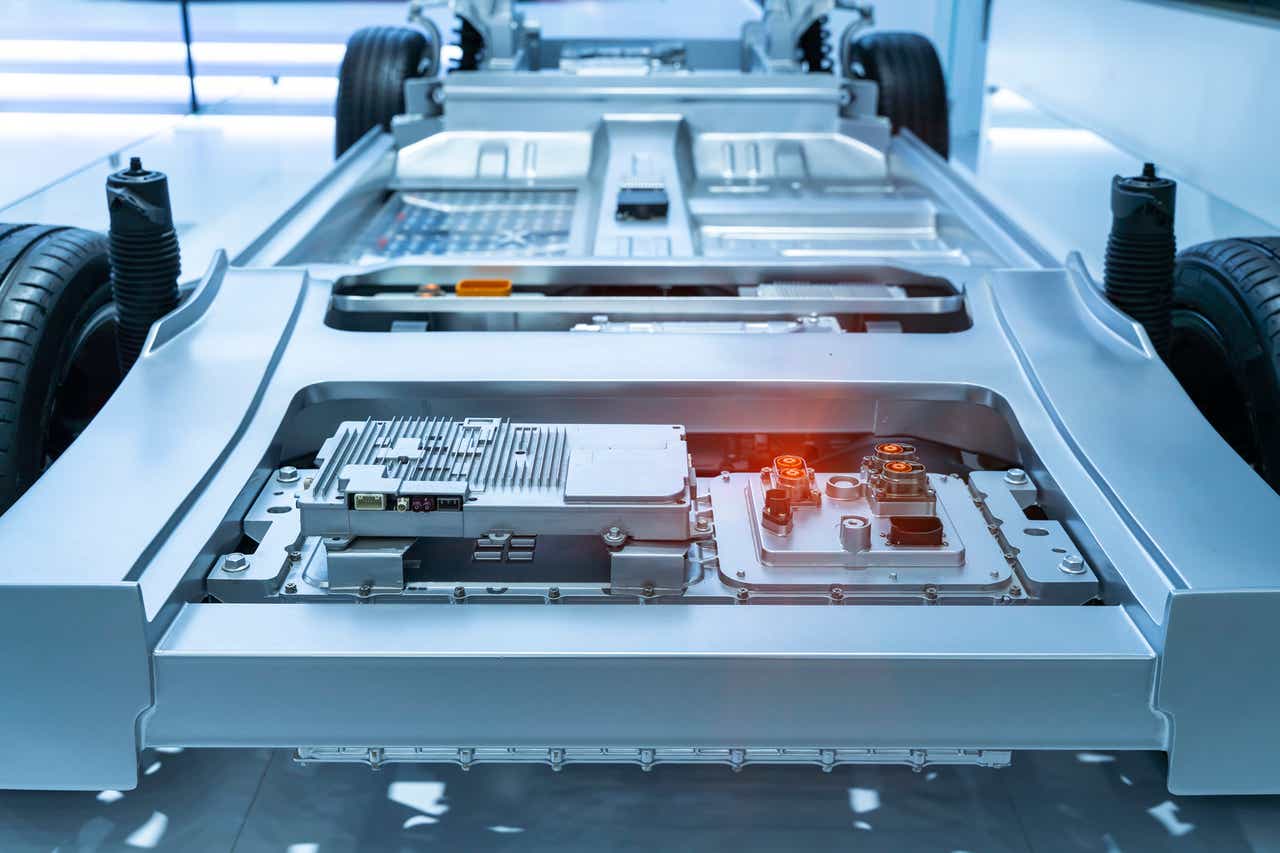
It’s not all bad news. Innovations in technology are helping to reduce the environmental burden of EV batteries. For instance, newer batteries are being designed to last longer, and research into alternative materials could reduce the need for problematic metals like cobalt.
Advancements in Battery Recycling
One of the most promising areas of development is in battery recycling. Here’s why it’s important:
Recycling EV batteries can recover valuable materials, reducing the need for new mining. It also means less waste going to landfill, which is a win for the environment. Plus, as recycling technology improves, we can do this more efficiently and cost-effectively.
-
Companies are developing ways to recycle more than 90% of a battery’s materials.
-
Research is ongoing into ‘second-life’ uses for EV batteries in things like energy storage systems.
-
Government policies are starting to support and even mandate the recycling of EV batteries.
By supporting companies and policies that prioritize battery recycling, we can help make EVs a more sustainable choice.
Innovations in Material Efficiency
Besides recycling, there’s also a push towards making EV batteries more material-efficient. This means using less of the rare and expensive metals that cause environmental issues. Researchers are working on new battery designs that rely more on abundant materials like silicon or are developing batteries that use no cobalt at all.
Practical Steps to Enhance Battery Sustainability
So, what can you, as an EV owner or potential buyer, do to enhance battery sustainability? Here are some practical steps:
Choosing Responsible Charging Practices
Most importantly, be mindful of how you charge your EV. Avoid keeping your battery at 100% or letting it drop to 0% too often. Instead, aim for a charging range between 20% and 80%. This simple practice can significantly extend your battery’s life.
Supporting Renewable Energy Integration
Charging your EV with renewable energy is a game-changer. By doing so, you’re not only reducing your carbon footprint but also supporting the growth of clean energy. If you have the means, consider installing solar panels at home. This way, you’re powering your vehicle with the sun, which is about as eco-friendly as it gets.
Besides that, advocate for and support public policies that promote the integration of renewable energy sources into the grid. This way, even when you charge your EV from the grid, you’re contributing to a greener future.
Join the Effort Towards Eco-Friendly Driving
Driving an EV is a significant step towards eco-friendly driving, but it’s not the only one. Being aware of the environmental impact of EV batteries and taking action to mitigate these effects is crucial. Remember, every small change you make contributes to a larger impact on our planet’s health.
If you’re passionate about sustainable driving and want to learn more about how you can make a difference, don’t hesitate to Contact Us. Together, we can drive towards a cleaner, greener future.
Contact Us for Further Information
If you’ve been inspired to take a deeper dive into the world of electric vehicle batteries and sustainable driving practices, we’re here to fuel that curiosity. For more information on how you can contribute to a cleaner environment and embrace eco-conscious driving habits, feel free to reach out. Our team is eager to discuss the strides being made in EV technology, the importance of battery recycling, and how you can play a part in this exciting transition. Remember, every question you ask and every action you take is a step towards a more sustainable future.
Frequently Asked Questions (FAQ)
When it comes to electric vehicles and their batteries, you might have a lot of questions. Let’s address some of the most common queries to help you understand the full picture.
How exactly do EV batteries affect the environment?
EV batteries can have a significant environmental impact. Mining the raw materials for these batteries often leads to habitat destruction, water pollution, and greenhouse gas emissions. Manufacturing the batteries is energy-intensive, and if the electricity used comes from fossil fuels, that adds to the environmental burden. However, because electric vehicles emit no tailpipe pollutants, they still represent a cleaner alternative over their entire lifecycle compared to conventional vehicles.
What are the most sustainable practices for EV usage?
The most sustainable practices for EV usage include:
-
Using renewable energy sources for charging, like wind or solar power.
-
Adopting smart charging habits, such as avoiding overcharging and deep discharging.
-
Maintaining a moderate driving style to reduce battery strain and extend its life.
-
Supporting and advocating for improved recycling facilities for EV batteries.
Can EV batteries be recycled, and how effective is it?
Yes, EV batteries can be recycled, and doing so is increasingly effective. Recycling processes can recover up to 95% of the battery’s materials, which can then be used to make new batteries or other products. This not only conserves natural resources but also reduces the environmental impact associated with mining and processing raw materials.
What are the latest advancements in EV battery technology?
The world of EV battery technology is rapidly evolving. Recent advancements include:
-
Development of solid-state batteries that promise higher energy density and safety.
-
Improvements in battery management systems to enhance performance and longevity.
-
Research into new materials like silicon anodes for higher capacity and faster charging.
-
More efficient recycling techniques to recover and reuse battery components.
How long do EV batteries last and what affects their lifespan?
EV batteries typically last between 10 to 20 years, depending on various factors. These include:
-
The quality of the battery and the technology used.
-
Charging habits, such as the frequency and depth of charging cycles.
-
Environmental conditions like temperature extremes, which can accelerate degradation.
-
The vehicle’s usage patterns, including driving style and average trip length.
By understanding these factors, EV owners can take steps to maximize the life of their batteries, such as avoiding exposure to extreme temperatures, following recommended charging practices, and driving smoothly.