

Key Takeaways
-
Preheat your electric vehicle’s battery to keep it performing at its best in cold weather.
-
Insulate your EV to keep the warmth in and the cold out, making your battery more efficient.
-
Fit your vehicle with high-performance winter tires for better safety and grip.
-
Always have a winter-specific emergency kit on hand.
-
Contact us for personalized advice and solutions for your electric car’s winter needs.
Understanding Your Electric Car’s Cold Weather Challenges
When the mercury drops, your electric car has to face new challenges. The battery, the heart of your electric vehicle (EV), is sensitive to the cold. It can’t hold as much charge, and that means your range might shrink when you most need it. But don’t worry, I’m here to guide you through prepping your EV for those chilly days, ensuring you keep moving efficiently and safely.
|
Pros of Tesla and Other EVs in Winter Weather |
Cons of Tesla and Other EVs in Winter Weather |
|---|---|
|
Lower Emissions: EVs produce lower emissions, reducing environmental impact. |
Reduced Range: Cold weather can significantly decrease the range of EVs, impacting travel distance. |
|
Energy Efficiency: EVs can be more energy-efficient in cold weather compared to gas vehicles. |
Slower Charging: EVs may take longer to charge in cold weather due to battery heating needs. |
|
Reduced Fuel Costs: EVs offer lower fuel costs compared to traditional vehicles, saving money. |
Increased Energy Consumption: EVs may consume more energy in cold weather for heating, affecting range and charging time. |
|
Convenience: EVs can be charged at home, providing convenience in cold weather conditions. |
Limited Charging Infrastructure: Sparse fast-charging networks can hinder EV usage in winter, especially in remote areas. |
|
Cabin Heating: EVs can warm the cabin quickly without waiting for an engine to heat up. |
Battery Damage: Cold weather can impact battery performance and range, requiring careful management. |
In summary, while Tesla and other EVs offer benefits like lower emissions, energy efficiency, reduced fuel costs, convenience, and quick cabin heating in winter weather, they also face challenges such as reduced range, slower charging, increased energy consumption, limited charging infrastructure, and potential battery damage. Owners need to consider these factors when using EVs in cold weather conditions.
Winter Battery Maintenance Techniques
The most crucial part of preparing your EV for winter is taking care of the battery. The range of your battery can decrease by up to 40% in cold weather. It’s important to keep it charged between 20% and 80% to get the most out of your battery’s lifespan and efficiency. Here are some things you can do:
-
Regularly monitor the charge and health of your battery.
-
Preheat your battery before driving – this means warming it up while it’s still plugged in.
-
Keep your EV in a garage to protect it from the severe cold.
Climate Control: A Delicate Balance
Keeping warm in your EV doesn’t have to mean giving up range. Use the seat heaters instead of turning up the cabin heater – they use less power. Preheat your car while it’s still plugged in to save battery power for driving.
Let’s get down to the business of getting your electric car ready for the deep freeze. These steps aren’t just smart, they’re the key to having a car that’s winter-ready and one that’s not.
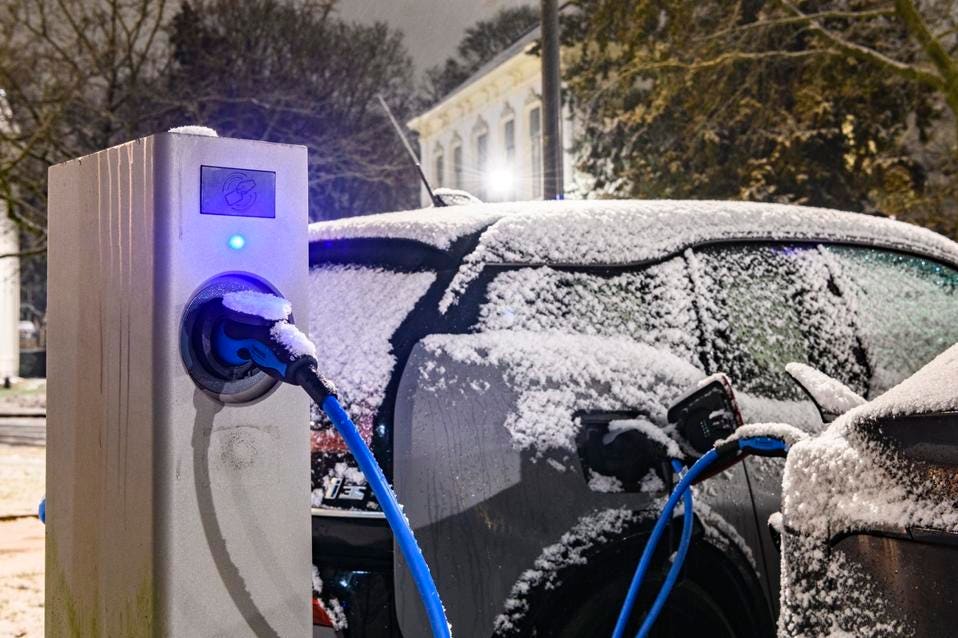
Best Ways to Winterize Your Electric Car
Preparing your electric vehicle for winter is all about taking action early. By following these tips, you’ll not only safeguard your investment but also have a smoother, safer driving experience during the winter months.
1. Getting Your Battery Ready
Consider getting your battery ready like warming up before a workout. It prepares the ‘muscles’ – or in this case, the battery cells – to perform. You can set your EV to start getting ready at a certain time through your vehicle’s app or timer settings. This means you’re using electricity from the grid instead of the battery, which helps you keep your range. For more detailed information, check out our extreme weather safety guide for electric vehicles.
2. Wrapping Up Your Electric Vehicle
Insulation isn’t just for houses, your electric vehicle needs it too. Use thermal window covers to keep the warmth in and the cold out. If you live in a place with extreme cold, consider adding a battery thermal blanket. It’s like giving your electric vehicle a warm hug, keeping it comfortable and efficient.
3. Tire Performance and Safety Measures
Your tires are the only part of your electric car that actually makes contact with the road, so it’s vital that they are in good condition. During the winter months, you should switch to tires that are specifically designed for cold weather and snowy conditions. These tires have special treads and are made from rubber compounds that remain flexible in low temperatures, which provides better traction and makes driving safer.
However, that’s just the beginning. There’s so much more to understand about optimizing your electric car’s performance during the winter months. Keep on reading for in-depth advice on driving habits, charging schedules, and using features wisely to maintain your range even when the temperature drops. And remember, if you’re ever unsure, we’re here to assist you – simply Contact Us for expert guidance tailored to your electric car’s requirements.
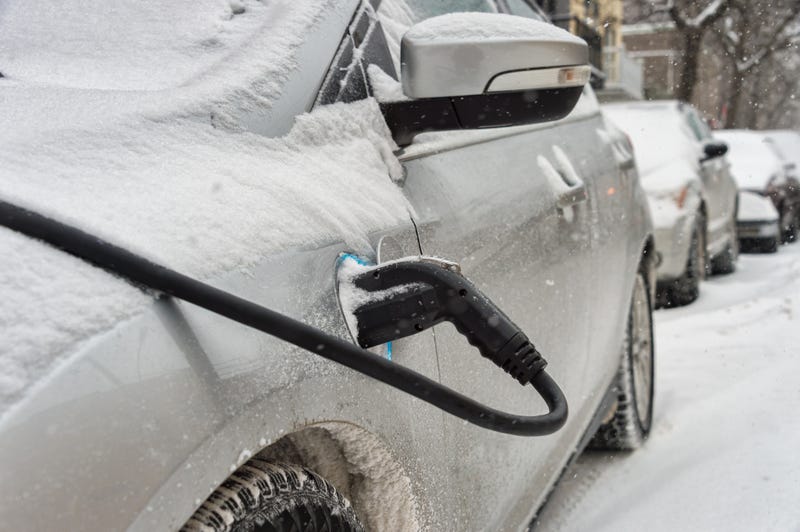
How to Get the Most Out of Your Electric Car’s Range in Cold Weather
-
Change your driving habits to improve efficiency.
-
Warm up your EV while it’s still hooked up to the charger.
-
Map out your journey to include charging stations and avoid conditions that drain energy.
Just because you’re driving an electric car in winter doesn’t mean you have to sacrifice range. By using a few clever techniques, you can get the most out of your EV’s efficiency, even in the chilliest weather. Let’s take a look at how you can change your driving habits, warm up your car effectively, and plan your journeys to keep your car running at its best.
Driving smoothly is one of the best ways to save energy. Instead of stopping and starting suddenly, which can quickly deplete your battery, try to accelerate slowly and use regenerative braking to help recharge the battery as you decelerate. This method not only conserves energy but also extends the life of your brakes.
If your car has eco-driving modes, it’s a good idea to use them. These modes adjust the car’s systems to get the most out of the battery. They often do this by limiting how much energy is used for acceleration and climate control. By choosing the eco mode, you’re choosing to put range before performance. This can be a good choice in winter conditions.
Driving Practices to Save Energy
Conserving energy isn’t just about driving smoothly and using eco modes, it’s also about how you control your cabin’s temperature. By keeping the temperature at a comfortable but not excessively warm level, you can lessen the drain on the battery. If your EV has a heated steering wheel and heated seats, use those instead of the cabin heater to stay warm without significantly affecting your range.
Furthermore, if you’re going to be away from your vehicle for a bit, be sure to shut off the climate control. It’s not necessary to keep it running if you’re not inside the car, and it will help conserve battery power. Once you’re back and ready to hit the road, the system will heat the cabin back up in no time.
Finally, think about the type of road you’re driving on. Flat roads use less energy than hilly ones, so if you have a choice, pick the easiest route to save your battery’s charge.
Adjusting Charging Times for Better Performance
Charging your electric vehicle in the winter requires careful timing. If you can, try to charge your car during the warmest part of the day. This can help speed up the charging process and make it more efficient. Charging your car overnight might seem like a good idea, but if the temperature gets too cold, it could slow down the charging process and even decrease the amount of charge your battery can hold.
Smart Use of Features and Accessories
Your electric car has many features and accessories that are meant to enhance your driving experience. But, using them wisely during winter can help you keep your range. Here are a few tips:
-
Be careful about using the heated seats and steering wheel to save power.
-
Try not to use high-draw systems like the defroster too much; only use them if you need to.
-
Make sure your EV’s software is up-to-date to get the most recent energy-saving features.
Keep in mind, every bit counts when it comes to saving energy, so make sure you’re using all of your car’s features wisely without wasting any power.
These tips can certainly help you maximize your electric car’s performance in the winter, but sometimes you need a little more assistance. This is where winter accessories come into play, and there are a few that are absolutely necessary for any electric vehicle owner. If you’re unsure where to begin, don’t hesitate to Contact Us. We can provide personalized advice and direct you to the best products for your electric car.

Essential Winter Accessories for Your Electric Car
Winterizing your electric car isn’t just about staying warm; it’s also about keeping your car running efficiently and safely. Here are some accessories that are essential for getting through the winter months.
Charging Cord and Battery Warmers
When winter comes, your charging cord is your best friend. Make sure it’s built to withstand cold weather, as some cords can become fragile and less effective in low temperatures. Also, think about getting a battery warmer. This accessory can keep your battery at the right temperature, making charging more efficient and improving performance.
Top-of-the-Line Snow Tires
Don’t underestimate the power of the right tires in the winter. Top-of-the-line snow tires are made to grip icy and snowy roads better than all-season tires. They can make a huge difference in how your car handles and its safety. Here’s what you should look for:
-
Look for tires that have the ‘Three-Peak Mountain Snowflake’ symbol. This means they’ve been tested and approved for severe snow service.
-
Choose tires that have a compound that stays flexible in cold temperatures. This will give you better traction when you’re driving.
-
Make sure your tires have tread patterns that can channel snow and slush away. This will help your tires maintain a good grip on the road.
By equipping your electric vehicle with these winter accessories, you’ll be ready for whatever the winter season has in store. If you need help choosing the right products, or if you have questions about how to prepare your electric car for winter, we’re here to help. Just Contact Us for expert assistance.
Common Questions
There are a lot of questions that come up when talking about electric vehicles in cold weather. Here are some of the most frequently asked questions, with straightforward, practical answers to help you get through the winter with your EV.
How does temperature affect electric car batteries?
Extreme temperatures, particularly cold ones, can affect electric car batteries. You may start to see a decrease in performance when the temperature drops below 20°F (-6°C). As it gets colder, the range may be affected more because the battery’s ability to store and deliver energy efficiently decreases.
For instance, if your electric vehicle typically has a 250-mile range, it might decrease to approximately 150 miles when the temperature is 0°F (-18°C).
So, it’s absolutely necessary to take measures to preserve your battery’s heat, such as preconditioning and correct insulation. Additionally, storing your EV in a garage can help lessen the effects of the cold.
Will using seat warmers significantly drain my battery?
No, using seat warmers will not significantly drain your battery. Seat warmers use much less energy than the HVAC system that heats the whole car. Using seat warmers is a clever way to stay warm and save your EV’s range.
Seat warmers are a great way to keep warm in the winter because they transfer heat directly to your body. This is a more efficient use of your car’s energy. Just make sure to turn them off when you’re not using them to save your battery life.
To strike the perfect balance between comfort and range, warm up your cabin while your car is still on charge, then use the heated seats to keep warm while you’re on the move.
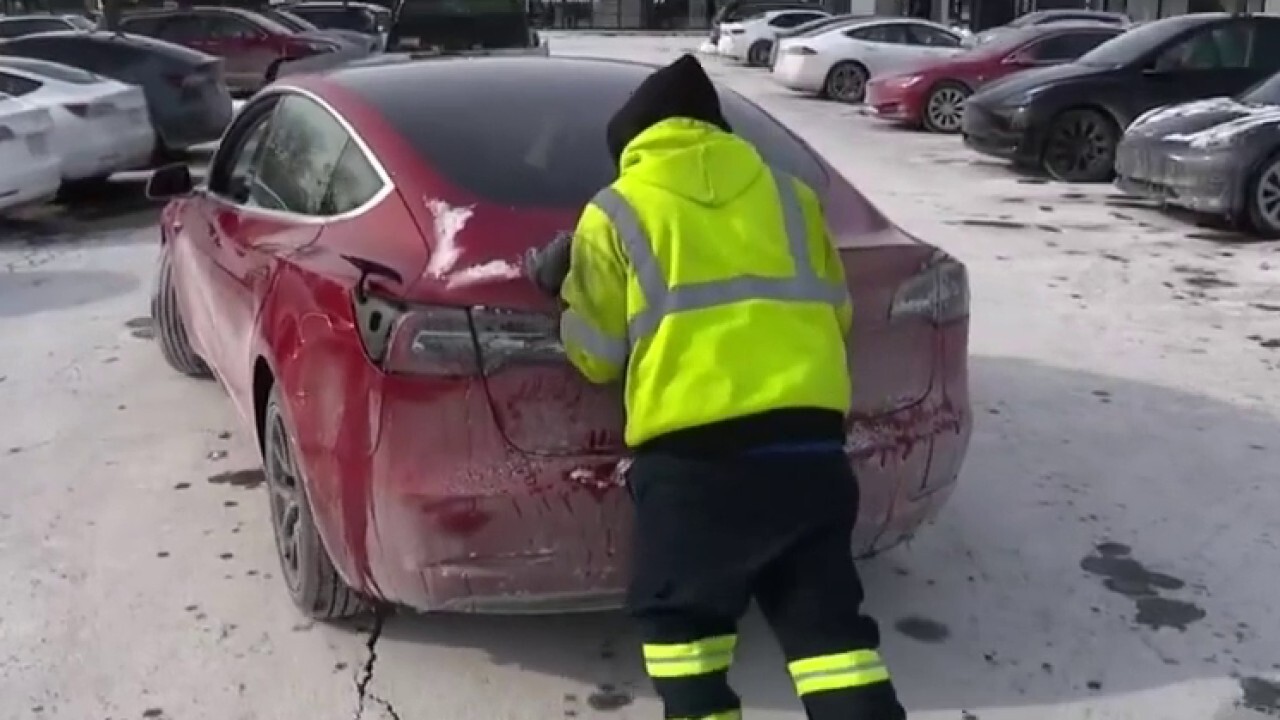
How much time do I need to precondition my car?
Usually, preconditioning your car for around 20 to 30 minutes before you hit the road is enough to warm up the battery. This step is crucial to guarantee that your EV is functioning at its best from the moment you start your drive.
It is recommended to do this while your vehicle is still plugged in so that you don’t deplete the battery’s stored energy. Many electric vehicles enable you to set a preconditioning schedule through a smartphone app or the vehicle’s infotainment system.
What should I do if my electric vehicle’s battery range decreases a lot in cold weather?
If you see a big decrease in your electric vehicle’s range when the weather is cold, it’s a good idea to check the health of your battery and make sure you’re doing everything you should be to take care of it in the winter. This includes:
-
Ensure your battery is charged, especially before a cold snap.
-
Preheat your battery to the recommended temperature.
-
Limit the use of high-energy features unless necessary.
If you’ve done everything right and still have issues, it might be time to Get in Touch for expert advice and potential servicing.
Where can I find a trustworthy winter maintenance service for my EV?
Locating a trustworthy winter maintenance service for your EV can be as easy as asking your vehicle’s manufacturer for their suggested service centers. You can also search for certified EV technicians in your area who have expertise in electric vehicles.
Before you decide on a service, ensure they have the necessary experience with electric vehicles and can carry out the required winter maintenance, such as checking the health of the battery, changing the tires, and updating the software.
Don’t forget, proper maintenance is the secret to a smooth running EV during the winter. If you need help locating a trustworthy service center or if you have any questions about what your EV might need, feel free to Contact Us. We’re here to provide you with customized advice and solutions for your electric car’s winter preparation.



Leave a Reply