

Article-at-a-Glance: Ensuring Safety in Electric Vehicles
-
Lithium-ion batteries in EVs can overheat and cause fires, but proper maintenance and usage significantly reduce risks.
-
Damage to the battery, manufacturing defects, and overcharging are primary causes of EV battery fires.
-
Regular inspections by professionals and using manufacturer-recommended charging equipment are key to prevention.
-
Understanding and controlling the temperature of your EV’s battery can prevent overheating.
-
For further guidance and expert support, don’t hesitate to Contact Us.
What Causes EV Battery Fires?
Understanding the root of the problem is the first step to prevention. So, let’s dive into what causes EV battery fires. It’s often not just one thing, but a mix of factors that can lead to a dangerous situation.
Thermal Runaway: The Spark That Ignites Disaster
Understanding the phenomenon of thermal runaway is crucial for preventing EV battery fires. This exothermic reaction can quickly escalate, leading to a catastrophic event if not properly managed.
One of the most common causes of battery fires in electric vehicles is a process called thermal runaway. This is when the battery gets so hot that it causes a chemical reaction, which makes it even hotter, and it spirals out of control. Imagine leaving a pan on the stove – at first, it just gets warm, but if you forget about it, it can catch fire. That’s what happens in a battery when thermal runaway kicks in.
Why does this happen? Well, if the battery’s damaged or there’s a defect, it can short-circuit. This creates heat, and if the battery can’t cool down fast enough, it leads to thermal runaway. It’s like when you’re running around on a hot day; if you don’t take a break to cool off, you’ll overheat.
Damaged Cells and Defective Design: Internal Threats
Batteries are made up of cells, and these cells need to be in tip-top shape. If they’re damaged – maybe because of an accident or poor handling – they can be a fire risk. And sometimes, even the design of the battery itself can be flawed. If manufacturers don’t catch these issues before the cars hit the road, it can lead to trouble.
Overcharging and Overheating: External Pitfalls
Understanding and preventing the risks associated with overcharging and overheating of EV batteries is crucial for maintaining vehicle safety and performance.
Charging your EV should be a routine task, but did you know that overcharging can be dangerous? When a battery is full and keeps getting power, it can get too hot. It’s like filling a balloon with too much air – eventually, it can pop. And heat from outside sources, like a hot garage in the summer, adds to the problem. Your EV’s battery is sensitive to temperature, so keeping it cool is crucial.

Now that we know what can cause these fires, let’s talk about how to prevent them. It’s not just about what you do, but also what you avoid doing.
-
Get your EV’s battery checked regularly by a professional.
-
Always use the charging equipment recommended by your EV’s manufacturer.
-
Don’t leave your EV plugged in once it’s fully charged – unplug it to prevent overcharging. For more information, read our guide on overnight electric car charging best practices.
-
Keep your EV and its battery away from extreme temperatures, both hot and cold.
-
If you spot any damage or issues with your EV, get it checked out immediately.
Professional Inspections: Your Safety Net
Think of professional inspections like a doctor’s check-up for your car. A trained technician can spot problems you might not see. They’ll check the health of your battery and make sure everything’s working as it should. It’s best to do this regularly – just like you’d visit the doctor for your own health.
Smart Charging Habits: Powering Up Safely
Charging your EV is like feeding it – you want to do it right. Use the charger that came with your car or one that the manufacturer approves. This makes sure your battery gets the right amount of power without overdoing it. And remember, once your EV is fully charged, unplug it. This stops it from getting too much juice, which can lead to overheating.
Avoiding Extremes: Temperature Control Protocols
Maintaining the right temperature is crucial for the longevity and safety of EV batteries. Implementing temperature control protocols can significantly reduce the risk of battery fires and improve overall vehicle performance.
Just like you, your EV’s battery doesn’t like being too hot or too cold. Extreme temperatures can hurt the battery and even shorten its life. So, keep your car in a garage or shaded area when it’s hot outside, and try to park it somewhere warmer when it’s cold. For more detailed information, check out these ultimate tips and best practices for EV care. Your battery will thank you for it.
Emergency Planning: Quick-Response Guidelines
If something does go wrong, it’s important to have a plan. Know where your nearest fire extinguisher is and make sure it’s suitable for electrical fires. Also, know who to call – having the number for emergency services and your EV manufacturer handy can save precious time.
Most importantly, if you suspect there’s a problem with your EV, act quickly. Safety should always come first.
Stay tuned for the next part of our guide where we’ll dive deeper into the correct ways to charge your EV, maintain it properly, and understand the cooling systems that keep your battery safe. And remember, if you’re ever unsure about something or need expert advice, you can always Contact Us.
Charging Your Electric Vehicle Correctly
Properly charging your electric vehicle is crucial to battery health and safety. Let’s explore the right way to charge your EV to ensure longevity and prevent any potential fire hazards.
Answer
|
EV Battery Comparison |
Power |
|---|---|
|
Average Lifespan |
8-12 years with some warranties up to 10 years or 100,000 miles; can last between 12-15 years in moderate climates |
|
Battery Degradation |
EV batteries typically degrade at a rate of 2.3% of maximum capacity per year, with some experts estimating an average lifespan of around 200,000 miles; Tesla aims for a million-mile battery |
|
Comparison to ICE Vehicles |
EV battery warranties (8 years, 100,000 miles) exceed ICE vehicle drivetrain warranties (5 years, 60,000 miles); average lifetime mileage of an ICE vehicle is about 133,000 miles |
|
Proper care, following manufacturer guidelines, maintaining moderate temperatures, and minimizing rapid charging can help extend the life of EV batteries |
The Right Equipment: Chargers That Protect
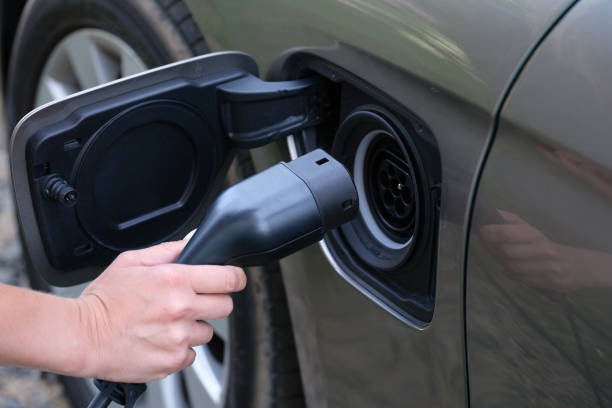
Using the correct charger for your EV isn’t just about convenience; it’s about safety. Always use the charger that comes with your vehicle or one that’s certified by the manufacturer. These chargers are designed to match the battery’s requirements, preventing overcharging and overheating. Think of it as giving your EV the right kind of nutrition – the better the fit, the healthier your battery will be.
Timely Unplugging: Preventing Overcharge
Once your EV reaches a full charge, it’s time to unplug. Leaving your vehicle connected can lead to overcharging, which stresses the battery and can cause overheating. Set a reminder or use a smart charger that automatically stops charging once full. It’s a simple step, but it’s like turning off the oven when your cake is done – it prevents burning.
Do’s and Don’ts: Best Practices for EV Owners
Here are some quick tips to keep your EV’s battery in top shape:
-
Do follow the manufacturer’s instructions for charging.
-
Don’t use damaged cables or chargers.
-
Do charge your EV regularly to maintain battery health.
-
Don’t let the battery deplete completely before recharging.
-
Do update your vehicle’s software as recommended to optimize battery management systems.
Maintaining and Repairing Your EV
Just like any vehicle, your EV needs regular maintenance and occasional repairs to stay safe and reliable. Let’s look at the best ways to keep your electric vehicle running smoothly.
Certified Servicing: The Importance of Expert Care
When it comes to maintaining your EV, it’s crucial to use certified service centers. These technicians are trained specifically for electric vehicles and understand the intricacies of EV batteries and systems. Regular check-ups can catch potential issues before they become serious, much like visiting your doctor can help you stay ahead of health problems.
Spotting Warning Signs: When to Seek Help
Be vigilant for any signs of battery issues, such as unexpected loss of charge, slow charging, or visible damage to the battery or charging equipment. If you notice anything unusual, it’s time to seek professional help. It’s better to address small problems early than to risk them turning into bigger, potentially dangerous issues.
DIY or Not: Understanding When to Call a Professional
While some car maintenance can be a DIY task, when it comes to your EV’s battery and electrical system, it’s best to leave it to the professionals. The high voltage systems in an EV can be dangerous if you’re not trained to handle them. If you’re ever in doubt, err on the side of caution and consult an expert.
Solving the Heat Dilemma: EV Cooling Systems Explained
Heat is one of the biggest enemies of an EV’s battery. Let’s break down how cooling systems work to protect your vehicle.
Battery Temperature Regulation: Keeping Cool Under Pressure
Your EV’s battery has an optimal temperature range it likes to stay within. To maintain this, EVs have built-in cooling systems that work to dissipate heat. These systems are crucial during charging and operation when batteries are most prone to overheating. It’s like having a built-in fan that kicks in when things start to get too hot.
Innovations in EV Cooling: The Latest Breakthroughs
The technology behind EV cooling systems is constantly improving. From liquid-cooled batteries to advanced thermal management software, manufacturers are finding new ways to keep batteries at safe temperatures. These innovations mean better performance, longer battery life, and a reduced risk of overheating.
User-Friendly Tips: Everyday Maintenance to Avoid Overheating
There are simple things you can do to help your EV’s cooling system do its job:
-
Park in the shade or in a garage to keep the car cool.
-
Avoid fast charging in high temperatures whenever possible.
-
Keep the vehicle’s software up to date to ensure the cooling system operates efficiently.
By following these tips and understanding how your EV’s cooling system works, you can help prevent battery fires and keep your vehicle running safely.
Empowering EV Owners: Educational Resources and Support
Being well-informed about your electric vehicle, its battery systems, and how to handle them can make all the difference in ensuring safety and longevity. Let’s look at how you can empower yourself with knowledge.
Knowledge is Power: Learning About Your EV’s Systems
Understanding the intricacies of your electric vehicle (EV) can greatly enhance your driving experience and safety. By learning about your EV’s systems, including the battery and its associated risks, you can take proactive steps to maintain your vehicle’s performance and longevity.
Every electric vehicle comes with a manual, and it’s your blueprint to understanding your EV’s systems. It will tell you everything from how to charge your battery correctly to what the dashboard lights mean. Reading and understanding your EV’s manual is the first step in becoming an informed owner.
The Ultimate Guide: Comprehensive Resources for Troubleshooting
When you face a problem, knowing where to turn is essential. Your EV manufacturer’s website often has FAQs and troubleshooting guides. There are also forums and social media groups where EV owners share their experiences and advice. Remember, though, while online resources are helpful, they don’t replace professional advice for serious issues.
Here are some additional steps you can take: learn about electric car fire extinguishing techniques.
-
Attend local EV owner workshops and seminars.
-
Subscribe to newsletters from EV advocacy groups for the latest news and tips.
-
Bookmark websites that provide up-to-date information on EV maintenance and safety.
Contact Us: Expert Support at Your Fingertips
If you’re ever in doubt or need tailored advice, our team is here to help. We have the expertise to guide you through any concerns or questions you might have about your EV’s safety and maintenance. Don’t hesitate to Contact Us for professional support.
FAQs
For more information on EV safety, check out our comprehensive safety review and detailed incident report analysis.
Let’s address some common questions EV owners might have:
How Often Should I Have My EV’s Battery Inspected?
It’s recommended to have your EV’s battery inspected at least once a year or as advised by your vehicle manufacturer. Regular inspections can catch issues early and ensure your battery’s health. For more detailed safety measures, check out these tips for optimal battery safety.
Can I Use Any Charger With My Electric Vehicle?
It’s best to use the charger provided by your EV manufacturer or another charger that they approve. Using the wrong type of charger can damage your battery and void your warranty.
What Should I Do If My EV Battery Overheats?
If you suspect your EV battery is overheating, it’s crucial to address the issue promptly to ensure safety. For detailed guidance, refer to our comprehensive EV battery fire risk guide which outlines steps to mitigate hazards and prevent potential fires.
If you notice your EV battery overheating, stop charging it immediately and move your vehicle away from anything flammable. Contact your EV manufacturer or a professional technician for assistance.
Are EV Batteries More Prone to Fire Than Regular Car Batteries?
No, EV batteries are not more prone to fire than regular car batteries. In fact, statistics show that EVs have a lower incidence of fire compared to internal combustion engine vehicles.
Where Can I Find Reliable Information on EV Maintenance and Safety?
Reliable information can be found in your vehicle’s manual, the manufacturer’s website, and from certified EV technicians. For additional support, you can always Contact Us.