
Key Takeaways
Electric vehicles (EVs) are generally safe to drive in storms, thanks to their waterproofing and shock-resistant features.
Before a storm, fully charge your EV, inspect its readiness, and pack an emergency kit.
During a storm, use cautious driving tactics like reducing speed and increasing following distance.
After a storm, assess your EV for any damages and follow up with proper maintenance.
If you need more guidance on EV safety during extreme weather, Contact Us for expert advice.
Preparing Your Electric Vehicle for the Storm
When storm clouds gather, it’s crucial to make sure your electric car is as ready as you are. Just like you’d grab an umbrella, your car needs a little prep to handle what’s coming.
First off, check your charge. Make sure your EV’s battery is topped off, because you don’t want to get stranded out there. If you’ve got a home charger, it’s best to juice up the night before. Public charging stations might be out of action if the power’s down, so count on your home base.
Next up, give your EV a once-over. Tires, wipers, lights—make sure they’re all in tip-top shape. If your tires are looking bald, they won’t grip on wet roads, and that’s asking for trouble. And those wipers? They’ve got to be clear as a bell to keep your view unobstructed.
Pro Tip: Always keep your EV’s tires at the recommended pressure, especially during a storm. It’ll help you stay in control on slippery roads.
Now, don’t forget your emergency kit. Here’s what you need:
A first aid kit for any bumps or scrapes
High-visibility vests and a flashlight, because being seen is being safe
Enough food and water to tide you over if you’re stuck for a while
A portable charger for your phone—because you’ll want to stay connected
Charging Strategies Before Extreme Weather Hits
When the weatherman says a storm’s brewing, you’ll want to think about when and where you’ll charge your EV. If you’re at home, plug in your car as soon as possible. The idea is to fill up your battery while the grid’s still stable.
And remember, charging in the rain is okay. Your EV’s built to handle it. But if lightning’s flashing, it might be wise to wait it out. While the risk is low, it’s all about playing it safe.
Inspecting Your Electric Car’s Weather Readiness
It’s not just about charging; it’s about making sure your car can take on the elements. Check your tire tread depth—4/32″ is the magic number for safe wet traction. And those headlights? They should be bright and clear to cut through the downpour.
Most importantly, ensure your EV’s charging port and other electrical components are sealed tight. No water should be getting in there. If you’re unsure, take a quick trip to your dealer or a trusted mechanic. They’ll set your mind at ease.
Emergency Kits and Essentials for Electric Vehicles
Alright, so you’ve got your emergency kit packed. But let’s double-check. Here’s the rundown:
Waterproof jacket and boots, because you might need to step out in the wet
A sturdy umbrella—seems obvious, but it’s often forgotten
Blankets or a sleeping bag, just in case it’s a long night
A paper map, because tech can fail and you might need to go old school
And there’s one more thing—keep your EV’s manual handy. It’s full of info on what to do if things go sideways.
What to Do If You’re Caught in a Hailstorm or Lightning
If you find yourself driving in a hailstorm, the first thing to do is stay calm. Look for a safe, covered place to pull over—like a gas station or parking garage. Hail can cause serious damage to your car, so it’s best to avoid it if you can.
Now, lightning is a bit trickier. You might’ve heard that cars are safe from lightning because the rubber tires insulate them from the ground. That’s a myth. It’s actually the metal frame of the car that can create a Faraday cage effect, potentially protecting you inside. So if lightning strikes, keep your hands off metal components and wait it out.
Maintaining Your Electric Car Post-Storm
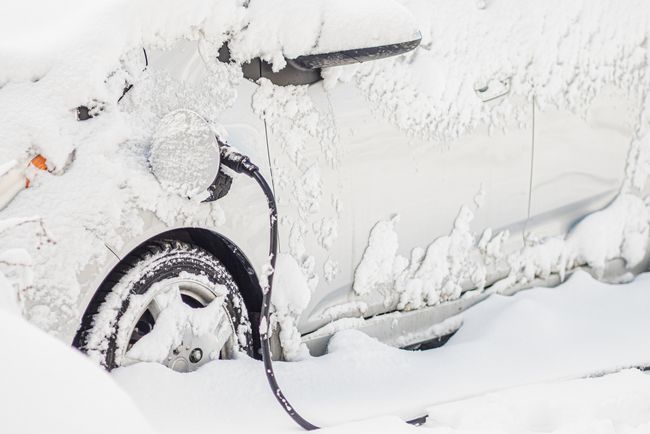
After the storm has passed, it’s time to check your electric vehicle (EV) for any signs of damage. Start with the exterior—look for dents from hail or debris. Then, check the undercarriage and wheels for any damage that could affect your driving.
Assessing and Reporting Damages
Document any damage with photos for insurance purposes.
Inspect the charging port for water ingress or debris.
Test all the lights and signals to ensure they’re functioning properly.
If you find any damage, report it to your insurance company as soon as possible. They’ll guide you through the claims process and help get your EV back to its best condition.
Remember, if you’re ever unsure about the extent of the damage or how to assess it, Contact Us for professional advice.
For severe damage or electrical issues, don’t try to handle it yourself. Take your EV to a certified mechanic or dealer with experience in electric vehicles.
Long-Term Maintenance Tips for Weather-Affected EVs
Once your EV is back on the road, keep an eye on it. Storms can cause hidden damage that might not be immediately obvious. Listen for any new sounds while driving, like rattling or whistling, which could indicate loose parts or seals.
And don’t forget about rust. If your EV was exposed to a lot of water, make sure to check for corrosion regularly, especially around the battery and charging components.
|
Aspect |
Gasoline Cars | |
|---|---|---|
|
Range Loss |
Electric vehicles, like gasoline cars, experience a significant loss of range in cold weather. Cold temperatures impact battery performance, reducing the distance an electric car can travel on a single charge |
Gasoline cars also suffer from reduced performance in cold weather due to factors like lower energy density in winter gasoline and thicker engine oil, leading to decreased mileage |
|
Battery Sensitivity |
Electric car batteries are sensitive to cold weather, affecting their efficiency and range. Cold temperatures can cause a drain on the battery, impacting the overall performance of electric vehicles |
Gasoline cars are less affected by cold weather in terms of battery performance, as they do not rely on batteries for power. This gives gasoline cars an advantage in maintaining consistent performance in cold conditions |
Evaluating Electric Vehicle Charging During Inclement Weather
When it comes to charging your EV during bad weather, it’s all about using common sense. If you’ve got a home charger, it’s usually okay to charge even when it’s raining. The systems are designed to be water-resistant.
The Reality of Charging Electric Cars in a Thunderstorm
Despite popular belief, it is generally safe to charge your electric car during a thunderstorm. The charging systems and the car itself are designed to handle such conditions. However, if you’re using a public charging station and you notice any exposed wires or damages, it’s best to wait until the station has been checked and cleared by a professional.
Protocols for Safe Electric Vehicle Charging During Adverse Conditions
Here are some protocols to follow for safe charging:
Avoid charging your EV under trees or other structures that could fall due to strong winds or lightning.
Always use a charging station in good repair, with no visible damage or exposed wiring.
Consider investing in a surge protector for your home charging setup to protect against electrical surges during storms.

Electric Vehicle Weather Safety Myths Debunked
Let’s clear up some myths about electric vehicles and weather. No, your EV won’t turn into a pumpkin when it rains, and no, it’s not a lightning magnet. Electric vehicles are just as sturdy as their gasoline counterparts, if not more so, in bad weather.
But because we’re all about staying safe, let’s look at some facts:
Can Electric Cars Withstand Floods?
While electric cars are designed to handle wet conditions, driving through flooded streets is a no-go. The battery and electrical components are sealed, but submerging them in deep water is risky. If water gets into the battery, it could cause a short circuit, leading to expensive repairs or worse, a safety hazard.
If you’re faced with a flooded road, the best course of action is to turn around and find an alternative route. Your safety and the safety of your EV come first.
Frequently Asked Questions
When it comes to electric vehicles and storm safety, questions abound. Let’s tackle some of the most common ones to give you peace of mind and keep you safe on the road.
What are the risks of driving an electric car during a storm?
Driving an electric car during a storm presents similar risks to driving any vehicle in adverse weather conditions. These include reduced visibility, decreased traction, and the potential for hydroplaning. However, EVs are particularly well-equipped to handle such scenarios due to their low center of gravity and typically more responsive handling. For more details on electric vehicle safety, check out our in-depth analysis.
Moreover, there’s often concern about the electrical systems when driving in wet conditions. Thankfully, EVs are designed with extensive waterproofing and their batteries are encased in protective materials, minimizing the risk of electrical issues. That said, it’s crucial to drive cautiously and prioritize safety above all else.
Avoid driving through flooded areas to prevent water from reaching electrical components.
Keep a safe distance from other vehicles to account for longer stopping distances on wet roads.
Be vigilant for downed power lines or debris on the road.
Remember, if conditions seem too severe, it’s always best to postpone your trip if possible.
How can I prepare my electric vehicle for extreme weather conditions?
Preparation is key to ensuring your EV can tackle extreme weather. Start by ensuring your battery is fully charged—this gives you the maximum range and ensures that the heating and cooling systems can keep functioning, which is vital for your comfort and safety in extreme temperatures.
Also, check that your tires are properly inflated and have sufficient tread depth to cope with wet or slippery surfaces. Replace your wiper blades if they’re worn out to maintain good visibility. Finally, pack an emergency kit with essentials like a flashlight, blankets, water, and non-perishable food items.
Is it safe to charge my electric car during a thunderstorm?
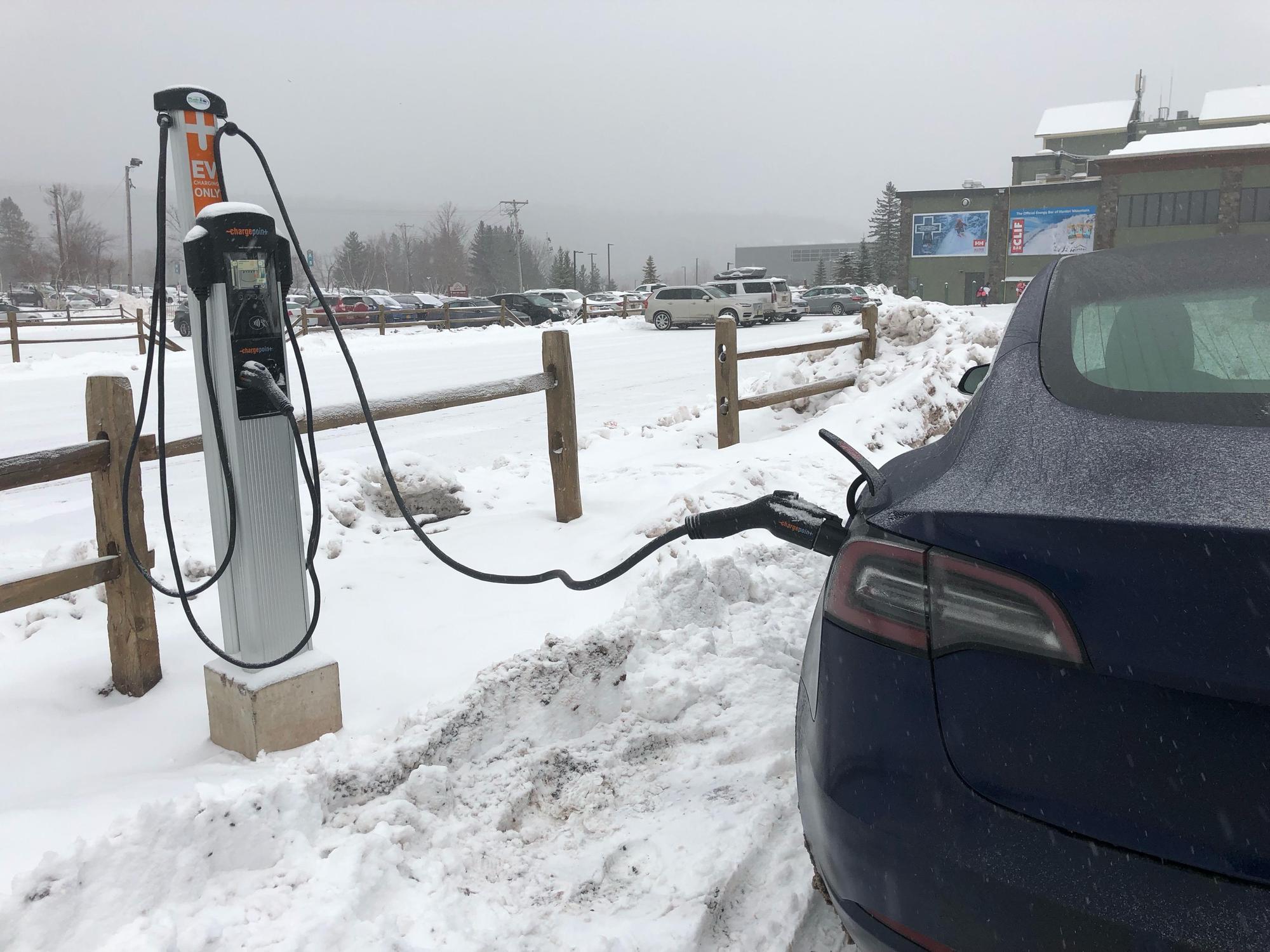
Charging your electric car during a thunderstorm is generally safe due to the built-in safety mechanisms in both the vehicle and the charging equipment. These systems are designed to withstand rain and electrical surges. However, for added peace of mind, you might consider charging your car before the storm hits or waiting until the severe weather passes, especially if lightning is frequent and intense.
When in doubt, consult your vehicle’s manual for specific guidance on charging during severe weather, or Contact Us for professional advice tailored to your situation.
Can my electric car be damaged by extreme cold or heat?
Extreme temperatures can affect your electric car, primarily in terms of battery performance. Cold weather can reduce the battery’s range and charging speed, while extreme heat can potentially shorten the battery’s lifespan if it’s not managed properly.
Example: In cold weather, precondition your car while it’s still plugged in to warm up the battery before driving. This uses power from the grid rather than the battery, preserving range.
Most EVs have thermal management systems to mitigate these effects, so be sure to utilize these features to maintain optimal battery health. Regular maintenance checks are also essential to ensure your EV’s systems are functioning correctly regardless of the temperature.
What should I include in an emergency kit for my electric vehicle?
Whether you’re driving an electric car or a gas-powered vehicle, having an emergency kit is a must. For your EV, consider the following essentials: For more detailed guidance, you might want to read this electric car crash safety guide.
A portable battery charger for your car and a power bank for your mobile devices.
Warm clothing, blankets, and heat-retaining items in case you’re stranded in cold conditions.
Adequate water and non-perishable snacks.
A first-aid kit with necessary medications and supplies.
Jumper cables and a tow strap, even though you’re driving an EV—other drivers might need assistance.
A flashlight with extra batteries, or a hand-cranked version.
A window breaker and seatbelt cutter for emergencies.
Keep this kit in your vehicle at all times, and periodically check to ensure all items are in working order and have not expired.