

Key Takeaways: Insights on EV Tire Wear
-
Due to instant torque and heavy battery packs, electric cars can cause tires to wear out faster.
-
Faster wear can be mitigated with proper tire maintenance and selection.
-
Regularly rotating tires and checking tire pressure are crucial for extending tire life.
-
Tire technology innovations are aiming to meet the unique demands of electric vehicles.
-
Consulting with experts can provide personalized advice for maintaining your EV tires.
Are Electric Cars Harder on Tires?
Electric vehicles (EVs) have a lot of benefits: they’re quiet, environmentally friendly, and provide a smooth ride. However, a common question arises: are they harder on tires? The short answer is, they can be. But why? Let’s delve deeper for a more comprehensive understanding.
The most significant factor is the immediate power delivery of electric motors. When you press the pedal, you get instant torque. This quick acceleration puts extra strain on your tires, which may cause them to wear out faster than they would on a traditional gas-powered car.
Instant Power and Tire Wear
Picture yourself on a playground carousel. If you spin it slowly, everyone remains onboard. But if you suddenly start spinning it very fast, people will start to fall off. This is a bit like what happens to your tires when the electric motor in your EV delivers power instantly.
Thus, the distinctive power delivery of electric vehicles can lead to higher tire wear. This is especially the case if you frequently can’t resist the urge to experience that electric acceleration from a stoplight – which, let’s admit it, is quite enjoyable.
Effects of Weight and Load
In addition to the immediate torque, the weight of the vehicle is also a factor. Electric cars are heavy because the batteries that power them are much heavier than a tank of gasoline. Heavier vehicles put more strain on the tires, which can cause them to wear out faster.
Electric vehicles, or EVs, are designed differently than traditional gas-powered cars. For instance, the battery in an EV is usually located along the bottom of the car. This design difference means that the weight of the car is distributed differently, which can affect how the tires wear down. Not only are the tires carrying more weight, but the weight is not evenly distributed. This can cause some tires to wear out faster than others.
Take a Tesla Model S, for instance, which can weigh up to 20% more than a gas-powered car of a similar size. This additional weight is equivalent to always having a couple of extra passengers in the car, which puts more strain on your tires for every mile you travel.
How to Maintain EV Tires
So, what can you do to help? Firstly, you should make sure to check your tire pressure regularly – at least once a month. Keeping your tires inflated to the correct pressure is like ensuring your shoelaces are tied correctly; it makes everything run more smoothly and helps to avoid unnecessary wear and tear.
Secondly, it’s important to rotate your tires. This involves changing their position on your vehicle so they wear out evenly. You should do this every 6,000 to 8,000 miles. Consider it like giving each tire a chance to be the ‘leader of the pack’.
Ultimately, when it’s time to get new tires, it’s important to choose ones that are made for electric vehicles. They might be a little more expensive, but they are designed to withstand the extra weight and power, which means they’ll probably last longer and save you money over time.
Selecting the Appropriate Tires for Your Electric Car
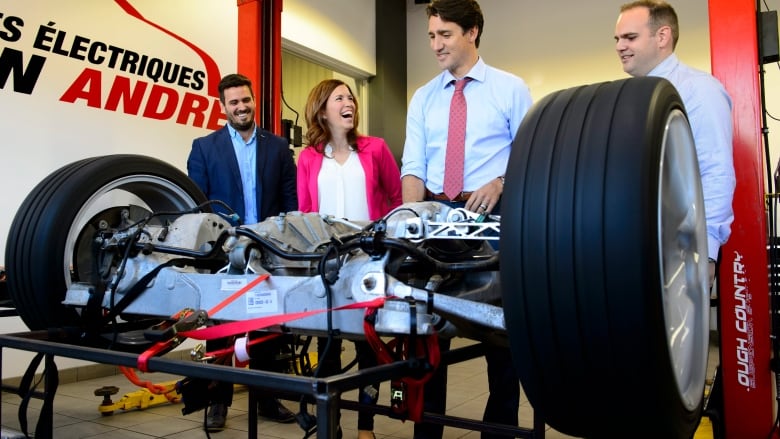
Given that electric vehicles can be harsh on tires, selecting the right set is somewhat akin to picking the right pair of shoes for a marathon – you require durability, comfort, and performance. The correct tires can significantly impact how your electric vehicle maneuvers on the road and how frequently you need to swap them out.
Types of Tires and Their Lifespan
There are tires that are particularly made for electric vehicles. These tires are designed to withstand the additional weight and instant torque that can cause quicker wear. These types of tires typically have a higher load index, indicating that they can support more weight, and a superior grip to manage the rapid acceleration of electric vehicles.
However, it’s not just about having the ‘EV-specific’ label on your tires. You should also be on the lookout for tires with low rolling resistance. This implies they don’t require as much energy to roll, which can help you squeeze a little more range out of your battery. It’s akin to wearing lightweight running shoes instead of hiking boots – you can cover more ground with less effort.
Advice and Specs from the Manufacturer
The manufacturer of your electric vehicle knows your car better than anyone else, so it’s a good idea to heed their advice about tires. They’ll tell you the correct size, type, and even the brand that is most compatible with your car’s design and performance. For more detailed information, consider reviewing this electric vehicle maintenance checklist which includes top EV upkeep tips.
Just as following a recipe to a tee guarantees a perfect cake, adhering to your manufacturer’s tire recommendations can help you achieve the best performance and longest life from your tires.
-
Refer to your owner’s manual for tire specifications and suggestions.
-
Choose tires with a high load index that can handle the weight of electric vehicles.
-
Opt for tires with low rolling resistance to maximize efficiency.
-
Think about tires specifically designed for electric vehicles.
-
Take into account your driving style and the weather conditions in your area.
If you’re unsure about the best tires for your electric vehicle, consider consulting with a tire expert. They can offer personalized advice based on your specific vehicle and driving requirements. If you need custom recommendations, feel free to Contact Us.
|
Aspect |
Electric Car Tire |
Gas Car Tire |
|---|---|---|
|
Weight |
Electric cars are heavier due to the mass of batteries, up to 1000 pounds, causing tires to wear out faster. |
Gas cars are lighter, with less weight impact on tire wear. |
|
Efficiency |
Electric car tires prioritize efficiency to maximize range, with small changes impacting autonomy significantly. |
Gas car tires focus less on efficiency as gas-powered vehicles do not rely on battery range for operation. |
|
Noise |
Electric car tires are designed for quietness, with specialized tread patterns and sound-absorbing materials. |
Gas car tires do not prioritize noise reduction as gas engines are inherently noisier compared to electric motors. |
|
Torque |
Electric car tires are built to handle the instant torque of electric motors, requiring stronger traction and low rolling resistance. |
Gas car tires do not need to handle the same level of torque as electric car tires. |
|
Tread Pattern |
Electric vehicle tires have tread patterns that minimize rolling resistance to improve range. |
Gas car tires may have different tread patterns based on the specific needs of the vehicle. |
|
Material |
EV tires often use special rubber compounds for improved grip and stability, especially considering the weight distribution of EVs. |
Gas car tires may use standard rubber compounds without the need for specific enhancements for weight distribution. |
|
Cost |
Electric car tires are generally more expensive due to their specialized nature and unique requirements. |
Gas car tires are typically more affordable compared to electric car tires. |
How to Look After Your Electric Car Tires
Looking after your electric car’s tires is just as important as keeping its battery charged. If you want to make sure your tires are always in tip-top condition, you need to maintain them regularly.
Regular Inspections and Balancing
It is important to regularly check your tires. At a minimum, you should be checking your tire pressure once a month. This is a simple task that can help prevent uneven wear. Additionally, regular tire balancing and alignment can also help extend the life of your tires. It’s like making sure your shoes are tied correctly before going for a run.
Having balanced tires means that they spin without any wobbling or hopping, leading to even wear and tear and a smooth driving experience free of vibrations. Aligning your tires ensures they are angled correctly on the road, which is crucial for optimal performance and longevity.
Driving Styles That Minimize Wear
The way you drive has a significant impact on the lifespan of your tires. Accelerating and braking quickly, taking corners at high speeds, and driving fast can all lead to your tires wearing out more quickly. Driving in a more relaxed manner is not only better for your tires, but it also extends your battery life.
So, try to be gentle with the accelerator, make turns smoothly, and brake gently. It’s similar to being gentle with your shoes; they’ll last longer as a thank you.

Progress in EV Tire Technology
The tire industry is not static, with new developments tailored to the specific requirements of electric vehicles. Producers are always experimenting with materials and patterns that can withstand the additional weight and performance needs of EVs.
Take the Michelin Pilot Sport EV tire for instance, which is specifically designed for high-performance electric vehicles. It features a rubber compound that can handle the high torque of electric motors and a tread pattern that’s engineered to decrease road noise – a common issue for the silent cabins of EVs.
These improvements are essential as the quantity of EVs on the road keeps increasing. They’re not just about extending the life of tires; they’re about guaranteeing safety, efficiency, and a smooth ride for all the eco-friendly drivers out there.
Given what we’ve covered, it’s evident that taking care of your EV’s tires is as crucial as ensuring its battery is charged. By making the right choices and taking proper care of your tires, you can extend their lifespan, which will save you money and keep you safe while driving.
Electric vehicles are becoming more and more popular, and with that comes the need for drivers to understand their unique tire needs. By knowing what your EV requires, you can make choices that will help your tires last longer and your car run more efficiently.
Common Queries
We’ll tackle some typical queries you may have regarding tire wear on electric cars. With this information, you’ll be more equipped to keep your EV running smoothly for many miles.
What makes electric vehicles more likely to cause tire wear?
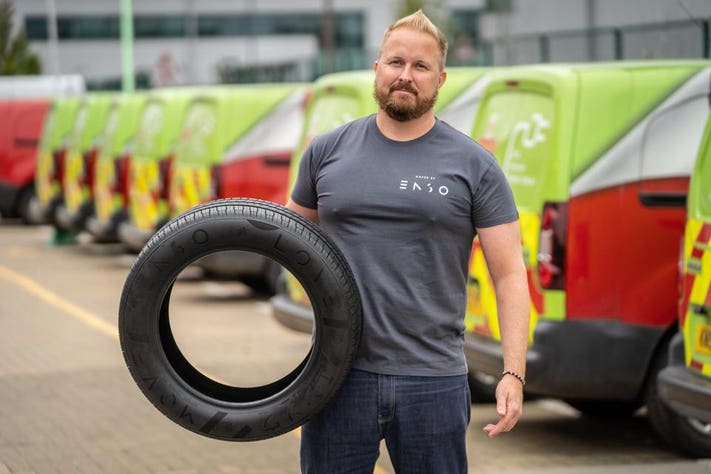
There are a few reasons why electric vehicles might cause more tire wear. For one, the instant torque that electric motors provide can lead to faster tire wear, as the tires grip and go faster than they would with a traditional gas-powered vehicle. Additionally, the extra weight from the batteries can put additional strain on the tires, which can also speed up wear. To understand more about this issue, read about EV tire wear and its environmental impact.
Here’s what you need to understand to handle this degradation:
-
Checking tire pressure and rotating your tires regularly is important.
-
How you drive can also impact tire wear; driving more smoothly can help your tires last longer.
-
Consider getting tires that are designed to handle the specific demands of electric vehicles.
Can selecting the right tires help EV tires last longer?
Definitely! Selecting the right tires for your electric vehicle can help them last a lot longer. Look for tires that have a high load capacity, low rolling resistance, and materials that are designed to handle the unique stresses that come with electric propulsion.
-
Choose tires with a higher load index that are made specifically for EVs.
-
Look for low rolling resistance tires to extend range and reduce wear.
-
Speak with tire experts to find the best match for your car and driving style.
How often do you need to replace electric car tires?
How often you need to replace the tires on an electric vehicle depends on a number of factors, including how you drive, the type of tires you have, and the weight of the vehicle. However, as a rule of thumb, you should check your tires regularly and be prepared to replace them potentially earlier than you would with a traditional gas-powered vehicle.
For example, if you notice that your EV’s tires are wearing down unevenly or faster than expected, it might be time to consult with a tire expert to determine if replacement is necessary. Don’t wait until it’s too late – worn tires can compromise the safety and efficiency of your electric vehicle.
Remember, if you’re ever in doubt about the condition of your EV’s tires or when to replace them, it’s always best to Contact Us for professional advice tailored to your specific needs.

Can your driving habits impact the wear on your electric vehicle’s tires?
Absolutely, the way you drive can greatly influence the rate at which your electric vehicle’s tires degrade. Hard acceleration, forceful braking, and tight cornering can all lead to more rapid tire wear. By driving more gently, you can help your tires last longer.
Consider these tips for driving in a way that’s kind to your tires:
-
Prevent quick starts and stops to reduce the pressure on your tires.
-
Take turns at a slow pace to decrease the forces acting on your tires.
-
Keep a consistent speed to encourage uniform tire wear.
Are there certain tire brands that are best for electric cars?
Even though there are several tire brands available, some have created tires specifically for electric vehicles. Brands such as Michelin, Bridgestone, and Goodyear offer tires for EVs that provide the necessary durability, load capacity, and performance for electric cars.
Here’s what you should be looking for when choosing a tire brand for your electric vehicle:
-
Noted for their quality and innovation in EV tire technology.
-
Positive feedback and testimonials from other EV owners.
-
Warranties and guarantees that give you peace of mind with your purchase.
Keep in mind, the right tires can greatly impact your EV’s performance and the lifespan of the tires. If you need assistance in choosing the best tires for your electric vehicle or have any questions about tire wear, Contact Us for expert advice.
To sum it up, even though electric vehicles might add extra strain to tires, causing them to wear out faster, it’s crucial to comprehend why this happens and how to counteract it. By choosing the appropriate tires, taking care of them regularly, and driving smoothly, you can improve the performance and lifespan of your electric vehicle’s tires. If you need any help or guidance, our experts are always available.



Leave a Reply