

Key Points
-
Electric vehicle (EV) batteries can lose up to 40% efficiency in cold weather.
-
Warming up your EV’s battery and interior can conserve energy and extend range.
-
Charging your EV to only 80% can extend battery life in extreme cold.
-
Using heated seats instead of interior heaters can save battery power.
-
Winter tires and correct tire pressure are vital for maintaining traction.
Understanding the Cold Reality
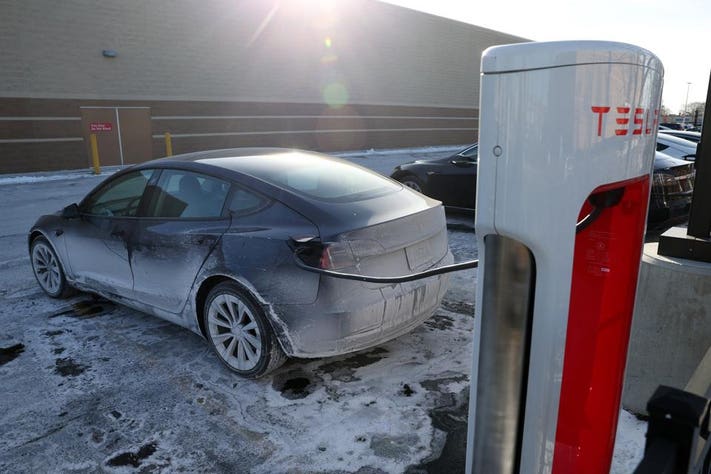
When the temperature drops, electric cars face some frosty challenges. Most importantly, the battery – the lifeblood of your EV – isn’t a fan of the cold. Just like us, it needs a little extra care to perform well in winter. Because the chemical reactions inside the battery slow down in the cold, your EV won’t go as far on a single charge. Think of it like trying to run in heavy snow boots – it’s a lot harder and you won’t go as far as you would in your regular running shoes.
Smart Charging in the Cold
Here’s the deal: cold weather can be rough on your EV’s battery life. So, you need to be clever about charging. It’s not just about plugging in; it’s about how and when you charge. For example, charging your EV to 100% isn’t always the best idea in freezing weather. Instead, aim for about 80% to keep your battery healthy. And keep in mind, a warm battery charges more efficiently, so try to charge after driving when the battery is still warm.
For instance, if you get home with a warm battery, plug in your electric vehicle to make use of the residual heat. This way, you’re not only charging but also maintaining an optimal battery temperature.
Warming Your Vehicle, Not Depleting Your Battery
No one enjoys freezing on their way to work, but turning up the cabin heater can deplete your electric vehicle’s battery quickly. Instead, use seat warmers and steering wheel heaters if available – they consume less energy and keep you just as warm. Additionally, pre-heating your car while it’s still plugged in can give you a warm start to your trip without reducing your range.
Monitoring Traction and Tire Condition
When the roads become icy, maintaining traction is key. Winter tires are specifically designed for snowy and icy conditions and offer better traction than all-season tires. It’s also important to keep your tires inflated to the right pressure because cold air can lower tire pressure, which reduces traction and efficiency. Make sure to regularly check your tire pressure to ensure a smooth and safe ride.
|
Winter |
Summer |
|
|---|---|---|
|
Pros |
– Electric cars are still more energy-efficient than gasoline vehicles, even in cold weather |
– Electric cars can have a longer range in warmer temperatures |
|
Cons |
– Electric cars can lose up to 40% of their range in cold climates |
– Electric cars can suffer from reduced battery efficiency in extreme heat |
|
Tips |
– Precondition your vehicle to warm it up before driving |
– Use eco mode to conserve battery power |
|
– Use seat and steering wheel heaters instead of the cabin heater |
– Maximize regenerative braking |
|
|
– Park in the sun to help warm up the battery |
– Plan your stops to ensure charging time |
Overall, electric cars can still be a great option for winter driving, but it’s important to take some steps to conserve battery power and maximize range. By preconditioning your vehicle, using seat and steering wheel heaters, and parking in the sun, you can help ensure that your electric car performs well in cold weather. And in the summer, using eco mode and maximizing regenerative braking can help you conserve battery power and extend your range.
Warming Up Those Chilly Batteries
Picture this: it’s a chilly morning and you’re getting ready to head to work, but your electric vehicle’s battery is just as sleepy as you are. Cold batteries don’t give off energy as well, which can mean your EV might not go as far as you need it to. It’s like when your phone dies faster in the winter – annoying, right? But, there’s a way to get your EV going, even on the coldest days.
Get Ready Before You Go
Preconditioning is your ace in the hole when it comes to cold weather. By warming up your EV’s battery before you get on the road, you’re essentially giving it a heads-up, getting it ready for the trip ahead. Use your EV’s app or onboard settings to start this process while it’s still plugged in. This way, you’re using electricity from the grid, not your battery’s charge, to get things moving.
Correct Charging in Chilly Conditions
Charging your electric vehicle during winter requires more than just plugging it in and leaving it. The timing is crucial. It’s best to charge your car when it’s the warmest part of the day or immediately after you’ve used it. The leftover heat from driving can decrease the amount of time it takes to charge. If possible, use a smart charger that can be set to use less expensive electricity rates and higher temperatures.
For instance, you could program your smart charger to start charging in the early afternoon when the temperature may be slightly higher, which could save you money and charge your car more quickly.
Keeping Up the Pace with Smart Storage
The location where you park your EV is important, particularly during the winter. If you have access to a garage, use it. Sheltering your EV from the weather can help maintain the temperature of the battery and prevent range loss. If a garage is not available, even a carport or a car cover can help. It’s like putting on a winter coat – it’s a simple step that can make a big difference.
Maintaining Comfort Without Wasting Energy
Keeping the battery warm isn’t the only concern; you also want to keep yourself warm without draining the battery. It’s tempting to turn the heat up to the max, but that’s a surefire way to watch your range drop faster than the temperature. So, what’s the solution? It’s all about balance and smart use of your EV’s features.
Maximizing Cabin Heating Efficiency
Many electric vehicles have eco-friendly heating options that allow you to stay warm without using a lot of energy. Use the preconditioning feature to heat up the car while it’s still plugged in. Once you’re driving, the heated seats and steering wheel can keep you comfortable without having to crank up the heater. And if you do need to use the heater, try to keep it at a moderate level. It’s all about finding the right balance between staying warm and being energy efficient.
-
Preheat your car while it’s still plugged in to avoid using battery power.
-
Use seat warmers and steering wheel heaters to keep warm instead of the cabin heater.
-
Set the cabin heater to a moderate temperature to save energy.
Seat Warmers: A Toasty Alternative to Air Heaters
Did you know that seat warmers can be a game-changer in winter? They use far less energy than air heaters and can make you feel warm quickly. Direct contact with the heat source means you’ll feel the benefits faster, allowing you to keep the overall cabin temperature lower. This small change can have a significant impact on preserving your EV’s range in the cold. For more detailed information, check out our electric car deep freeze preparation guide.
Intelligent Temperature Settings That Conserve
Similar to controlling your home’s thermostat, intelligent temperature settings in your electric car can result in energy conservation. Numerous contemporary electric cars are equipped with climate control systems that you can adjust to an efficient temperature. Adhering to approximately 68 degrees Fahrenheit (20 degrees Celsius) is a sensible guideline. In this manner, you’re cozy, and your electric car isn’t straining to warm the interior.
Staying Safe on Winter Roads
Winter roads can be dangerous, and keeping your EV under control is essential. Your tires are key here. They are the only thing between your car and the road, so their condition and type are crucial for safe winter driving.
Choosing the Correct Tires for Better Control
Winter tires are specifically made with a softer rubber compound and deeper treads to better navigate through snow and ice. They give you the grip you need to drive safely on slippery roads. If you live in a place with severe winters, it is a good idea to switch to winter tires. And it’s not only about safety – better grip also means more efficient driving, which helps to save your EV’s battery life.
-
Change to winter tires for improved grip on snow and ice.
-
Regularly monitor tire pressure, as it can decrease in cold weather.
-
If you often drive on icy roads, consider studded tires or tire chains.
Pressure Points: Pumping for Protection
Did you know that for every 10 degrees decrease in temperature, your tires can lose approximately 1-2 pounds of pressure? It’s vital to keep your tires properly inflated because under-inflated tires can negatively affect your EV’s handling and efficiency. They can also wear out more quickly, which means you’ll need to replace them more often. Check your tire pressure once a month, and particularly when the temperature drops sharply. A correctly inflated tire provides better grip and can even help increase your vehicle’s range by reducing rolling resistance.
For instance, if your electric vehicle’s suggested tire pressure is 35 PSI, you should alter it during the winter to keep this level constant despite the cold. This will ensure that your traction is at its best and lower the chances of tire-related accidents.
It’s not just for safety or efficiency, but also for comfort. Tires that are inflated correctly offer a smoother ride by absorbing the shocks and bumps of winter roads. It’s a minor effort that can significantly improve your winter driving experience.
How to Safely Start and Stop
Winter roads can be slippery, which can make it difficult to stop and start. Your EV’s regenerative braking system, which recovers energy as you slow down, may not work as well on icy roads. To handle this, it’s important to allow more space for stopping. Start slowing down sooner than you would in dry conditions, and avoid braking suddenly to avoid skidding. For more detailed information, read our electric car deep freeze preparation guide for tips on handling your EV in cold weather.
When it comes to driving on icy or snowy roads, it’s best to start off gently. Abrupt acceleration can cause the wheels to spin, which can lead to loss of control. Instead, gradually apply pressure to the accelerator to maintain traction and control. This will also help to preserve battery life, as rapid acceleration can cause a high power draw.

Common Questions
If you drive an electric vehicle, you probably have a few questions about how to handle it in the winter. Here are some simple, practical answers to common questions.
What Impact Does Cold Weather Have on EV Range?
The winter season can significantly affect your EV’s range. Depending on the temperature and your heater usage, you might see a decrease in range from 20% to 40%. However, by using strategies such as preconditioning and limiting your heater usage, you can reduce this effect.
Is it possible to charge my electric car in freezing weather?
Yes, you can definitely charge your electric vehicle in cold weather. However, it is more efficient to do so when the battery is warm. Attempt to charge after you’ve been driving or during the warmest part of the day. Also, keep in mind that a slower charge rate may be more effective in preserving battery health in cold weather.
Should I Bother Preconditioning My Electric Car?
Without a doubt, preconditioning is a good idea. By heating the battery and the inside of the car while it’s still plugged in, you’re using electricity from the grid rather than the battery’s stored power. This can greatly increase your driving range and comfort as soon as you hit the road.
What’s the Best Way to Store My Electric Car in Winter?
Try to keep your electric vehicle in a garage to shield the battery from harsh weather. If you don’t have a garage, think about getting an insulated car cover. Also, make sure you drive your electric vehicle often, because letting it sit in the cold for too long can harm the battery.
What Kind of Tires Should I Use for My EV During Winter?
For snowy conditions, winter tires are the most suitable. They are made with a softer rubber compound and have deeper treads, which gives them better traction on snow and ice. It’s best to find tires that are specifically designed for EVs since they can manage the extra weight and torque of electric cars.


Leave a Reply