
Key Takeaways
-
Electric vehicles (EVs) can be up to 50% heavier than traditional cars due to their batteries.
-
Bridges are designed with weight limits that could be challenged by the increasing prevalence of EVs.
-
Assessing bridge safety involves understanding the engineering behind weight limits and the potential risks of overloading.
-
Technological advancements in EVs and infrastructure may mitigate the risks associated with heavier vehicles.
-
It’s crucial for drivers to be informed about their vehicle’s impact on infrastructure and to support sustainable practices.
When we talk about the future of transportation, electric vehicles (EVs) are often at the forefront of the conversation. But with innovation comes responsibility, and it’s essential to consider how these advancements affect our existing infrastructure, particularly bridges. Let’s delve into the weighty issue of electric cars and their impact on bridge safety.
What Makes Electric Cars Heavier?
At first glance, electric cars might look similar to their gasoline-powered counterparts, but under the hood—or more accurately, under the floorboard—there’s a hefty difference. EVs are powered by lithium-ion batteries, which are quite weighty. A standard electric car’s battery can tip the scales at around 1,000 pounds (450 kilograms) or more, depending on the model. This added weight comes with a host of considerations, especially when it comes to the structures that support our daily drives: bridges.
The weight of a vehicle is a crucial factor in bridge design. Bridges are engineered to withstand specific loads, and these limits are carefully calculated to ensure safety. With the rise of electric cars, which can be significantly heavier than their gas-guzzling relatives, there’s a growing concern about whether our bridges can handle the extra strain.
The Science Behind Bridge Weight Limits
Bridges aren’t just built; they’re meticulously engineered to balance the demands of traffic with the unforgiving laws of physics. Every bridge has a weight limit, determined by factors such as the materials used, the span of the bridge, and the engineering design. These limits are not arbitrary; they’re based on calculations that ensure the bridge can support a certain amount of weight over its lifetime without the risk of structural failure.
But what happens when the average weight of vehicles starts to creep up because more drivers are switching to electric? It’s a question that bridge engineers and safety experts are actively studying. The concern is that the increased prevalence of heavier EVs could lead to accelerated wear and tear on bridges, potentially reducing their lifespan and, most importantly, compromising safety.

Are Electric Cars Too Heavy for Bridges?
Now, the big question is whether the weight of electric cars is too much for our current bridges to handle. The answer isn’t straightforward. While many bridges were designed with a buffer in their weight limits to accommodate future increases in vehicle size and weight, the rapid rise in EV popularity and their significant weight differences pose a challenge that wasn’t fully anticipated.
Considering the potential risks, it’s imperative that we take a closer look at our infrastructure to ensure it’s up to the task of supporting a greener, but heavier, fleet of vehicles.
Comparing Weights: EVs vs. Traditional Vehicles
Let’s break it down with an example. A traditional midsize car might weigh around 3,000 pounds (1,360 kilograms), while an electric SUV like the Tesla Model X can weigh in excess of 5,500 pounds (2,500 kilograms). That’s a considerable difference, and when you multiply that by the number of cars crossing a bridge every day, it adds up to a lot of extra pressure on the structure.
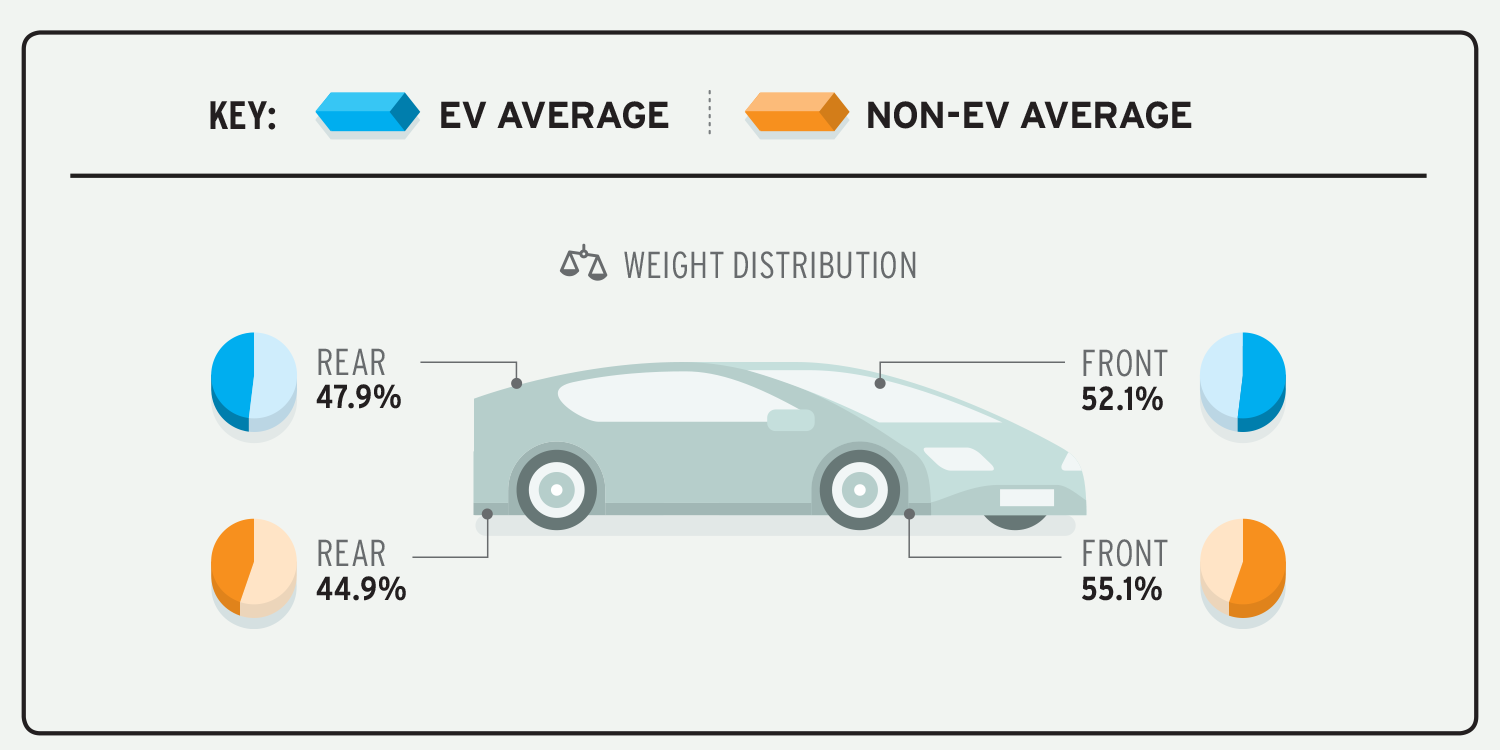
It’s not just about the total weight, either. The distribution of weight in an EV is different due to the placement of the battery, which can affect how the weight is transferred to the road and, by extension, to the bridge itself. This is why understanding the specifics of vehicle weight distribution is as important as the weight itself.
Now, let’s talk about what this means for you, the driver. If you’re in the market for an electric car, or already own one, it’s important to be aware of how your vehicle contributes to the overall load on the roads and bridges you use. Knowledge is power, and in this case, it’s the power to make informed decisions and advocate for necessary infrastructure updates.
The Hidden Dangers of Overweight EVs on Roads
Imagine a bridge as an athlete’s back, carrying a heavy load. Just as lifting too much can injure the athlete, bridges can suffer from the burden of overweight vehicles. Most bridges are old, designed for lighter cars, not today’s heavier EVs. This mismatch can lead to cracks, structural damage, or worse, collapse. It’s a silent issue that doesn’t make noise until it’s too late.
What Drivers Need to Know About Vehicle Weight
As a driver, you have a role to play in bridge safety. It starts with understanding your vehicle’s weight. Check your EV’s manual or look for a sticker on the door jamb for its weight. When you know your car’s weight, you contribute to collective awareness, which is the first step towards advocating for stronger infrastructure that keeps us all safe.

Building Bridges to Safety: Engineering Adaptations for EVs
The rise of electric vehicles is pushing engineers to rethink bridge design. Just as cars are evolving, so must the bridges they cross. This means considering the increased weight of EVs right from the drawing board and using innovative materials and design principles that anticipate the future of transportation.
It’s about forward-thinking – designing bridges that not only stand strong today but are prepared for the vehicles of tomorrow. That’s the kind of proactive safety measure that saves lives and dollars in the long run.
Advancements in Bridge Design and Materials
Engineers are exploring new materials like high-performance steel and carbon fiber to strengthen bridges. These materials offer greater strength-to-weight ratios, meaning they’re lighter but just as strong, if not stronger, than traditional materials. They’re also looking at dynamic design features that distribute vehicle weights more evenly across the structure.
Case Studies: Bridges That Accommodate Heavier Vehicles
Consider the Millau Viaduct in France, a marvel of modern engineering designed to handle all sorts of vehicles. Or the newly constructed San Francisco-Oakland Bay Bridge, built with future traffic in mind, including heavier EVs. These are examples of how foresight in design keeps us a step ahead in safety.
Future-Proofing Infrastructure: Policies and Innovations
As we shift towards electric mobility, policies must follow suit. Governments are beginning to incentivize not just the adoption of EVs but also the innovation of infrastructure that supports them. This means investing in research for better materials and designs, as well as updating building codes to reflect the new reality of heavier vehicles on the road.
There’s also a push for transparency. Vehicle manufacturers are encouraged to disclose the weights of their EVs, which is crucial for infrastructure planning. This kind of openness is what will drive the necessary changes in how we build and maintain our bridges.
Legislation Impacting EV Weights and Bridge Safety
Legislation is catching up, with some regions considering taxes on heavier vehicles, including EVs, to fund infrastructure improvements. Other areas are looking at revising weight limit laws to account for the increasing prevalence of electric cars. This is where informed citizens can make a difference by supporting such measures.
Emerging Technologies in Electric Vehicle Design
Meanwhile, in the EV industry, there’s a focus on developing lighter battery technologies without sacrificing range. Innovations like solid-state batteries could revolutionize EVs by reducing weight while providing more power. This is the kind of advancement that can ease the load on our bridges and roads.
The Road Ahead: Creating a Sustainable EV Infrastructure
So, what can you do? First, stay informed about your vehicle’s specifications and the infrastructure it uses. Support initiatives and policies that invest in long-term infrastructure health. And most importantly, be part of the conversation. Reach out to your local representatives, join community groups, and advocate for safe, sustainable roads and bridges.
Remember, the future isn’t just electric; it’s also safe and sustainable. By taking action today, you’re helping to pave the way for a safer tomorrow.
If you’re concerned about the impact of your electric vehicle on bridges and roads, or if you’re part of an organization looking to adapt infrastructure for the future, contact us. Together, we can drive towards a safer and more sustainable future.
Investing in Durable Roads and Bridges
As our vehicles evolve, so too must the pathways they travel. Investing in durable roads and bridges means prioritizing the longevity and safety of our infrastructure. This includes both maintenance of existing structures and the design of new ones that can handle the increased demands of electric vehicles. It’s not just about patching up the old but building the new with resilience and foresight.
When we invest in our infrastructure, we’re not just investing in concrete and steel; we’re investing in the safety of every person who travels these roads and bridges daily. This is why it’s vital to support initiatives and policies that allocate funding for infrastructure upgrades and research into new materials and construction methods that can withstand the heavier loads of modern EVs.
Essential Steps Drivers Can Take Today
While we may not all be bridge engineers or policymakers, there are steps every driver can take to contribute to the safety and sustainability of our infrastructure. Firstly, understand the weight of your vehicle and how it compares to others. This awareness is key in recognizing the broader impact of our transportation choices. Secondly, engage with local and national conversations about infrastructure planning—your voice matters. Lastly, practice safe driving habits that minimize wear and tear on roads and bridges, such as avoiding sudden stops and starts.
Frequently Asked Questions
In the conversation about electric vehicles and bridge safety, several questions frequently arise. Here’s a rundown of the most common inquiries and their answers, which can help you better understand the topic and what it means for you as a driver.
How Much Heavier Are Electric Cars Compared to Gas Cars?
Electric cars are typically heavier than gas cars due to the substantial weight of their batteries. For example, a traditional gas-powered car might weigh around 3,000 pounds, whereas an electric car like the Tesla Model S can weigh over 4,600 pounds. That’s a significant increase, and it’s something that must be taken into account when considering the impact on our roads and bridges.
Are Current Bridges at Risk Due to Heavy Electric Cars?
Some current bridges may be at risk due to the increased weight of electric cars. Bridges are designed with a weight limit in mind, and while many have a safety margin built into their design, the rapid adoption of heavier EVs is putting additional stress on these structures. It’s essential that bridge inspections and maintenance programs take this new weight factor into account to ensure ongoing safety.
It’s also worth noting that not all bridges are created equal. Some newer bridges have been designed with future vehicle trends in mind, while older bridges might be more susceptible to wear and tear from heavier traffic. It’s a complex issue that requires ongoing attention from engineers and transportation authorities.
Can Electric Car Batteries Be Made Lighter in the Future?
Yes, there’s ongoing research aimed at making electric car batteries lighter. Innovations in battery technology, such as solid-state batteries, promise to reduce weight without sacrificing performance or range. These advancements could significantly decrease the overall weight of electric vehicles, alleviating some of the stress on our infrastructure.
What Safety Measures Can Be Taken to Strengthen Bridges?
There are several safety measures that can be taken to strengthen bridges and accommodate the extra weight from electric vehicles. These include retrofitting older bridges with new materials that offer better support, implementing stricter weight limits, and designing new bridges with the future of transportation in mind. Regular inspections and maintenance are also crucial in identifying and addressing potential issues early on.
Furthermore, technological advancements in monitoring systems, such as sensors that can detect structural weaknesses, can play a significant role in preventing bridge failures. Proactive safety measures like these can save lives and ensure that our infrastructure keeps pace with the evolving automotive landscape.
How Can I Stay Informed About My Electric Vehicle’s Impact on Roads?
Staying informed about your electric vehicle’s impact on roads begins with understanding the specifications of your car, particularly its weight. Consult your vehicle’s manual or manufacturer’s website for this information. Additionally, you can follow local and national news on infrastructure developments, join EV forums, and participate in community discussions related to electric vehicles and road safety.