Article-at-a-Glance
-
Electric cars can experience reduced battery performance and range in cold weather.
-
Pre-warming your EV battery can help maintain its efficiency during chilly days.
-
Proper tire maintenance and using eco-driving techniques can improve winter performance.
-
Charging times may increase in cold weather, so plan your charging schedule accordingly.
-
Contact us for tailored advice on optimizing your electric car for cold conditions.
Charged Up: Tackling Electric Car Winter Woes
How Cold Affects Your Electric Car’s Zoom
When the temperature drops, your electric car feels it too. The battery, the heart of your electric vehicle (EV), is sensitive to cold weather, which can lead to a drop in performance. Why? Because batteries rely on chemical reactions to work, and cold temperatures slow these reactions down. This doesn’t just mean your car might not zip as quickly — it can also affect how far you can go on a single charge.
Preparation Beats Repair: Your Cold Weather Checklist
Most importantly, being prepared is your best defense against the cold. Before winter hits, make sure your EV is ready to face the frost. Here’s what you should check:
-
Battery health: Get it inspected to ensure it’s in top condition.
-
Tire pressure: Cold air can reduce tire pressure, which impacts performance.
-
Software updates: These can optimize battery management for cold weather.
Expert Tricks for Maximizing Range When Thermometers Plummet
Here are some pro tips to keep your EV running smoothly during those cold snaps:
-
Precondition your car while it’s still plugged in to warm up the battery.
-
Use seat heaters instead of the cabin heater to save energy.
-
Drive smoothly — hard acceleration can drain the battery faster.
Therefore, understanding these tips can help you maintain your EV’s range and performance even when Jack Frost is nipping at your nose.
Do Electric Cars Have Trouble in Cold Weather?
Battery Basics: Chemistry and Cold
The lithium-ion batteries in most electric cars don’t just dislike the cold; they downright detest it. At low temperatures, the electrolyte fluid inside the battery becomes more viscous, impeding the flow of electrons. This means your EV won’t deliver the same oomph, and you may find yourself with a reduced range — sometimes by as much as 20-40%.
But here’s the good news: you can mitigate these effects. Keeping your car in a garage, using a battery heater, or simply scheduling your charging sessions to end right before you start driving can help your battery retain its warmth and efficiency.
Confronting Range Anxiety in the Chills
Range anxiety — the fear of running out of power before reaching your destination — becomes more pronounced in winter. Because the battery is working overtime to keep itself and the cabin warm, it has less energy for driving. But don’t worry, planning ahead is key. Always keep an eye on your estimated range, and if possible, charge your vehicle more frequently during colder months.
Optimal Charging Methods for Frigid Conditions
Charging your EV in cold weather isn’t as simple as plugging it in and walking away. Batteries charge slower in the cold, and some may even need to warm up before they can start charging efficiently. To avoid this, you can learn more about how cold weather affects electric vehicles.
-
Use a smart charger that can preheat your battery.
-
Charge during the warmest part of the day.
-
Keep your EV plugged in overnight to maintain battery temperature.
These strategies can ensure you’re getting the most out of your charge and not left waiting longer than necessary. Besides that, staying informed about your EV’s specific needs will help you keep it running in peak condition, no matter the weather.
As the mercury dips, it’s not just you who needs to bundle up — your electric car requires special attention too. The cold can be tough on your vehicle, but with the right maintenance, you can ensure it remains reliable and efficient, even when your breath turns to frost in the air.
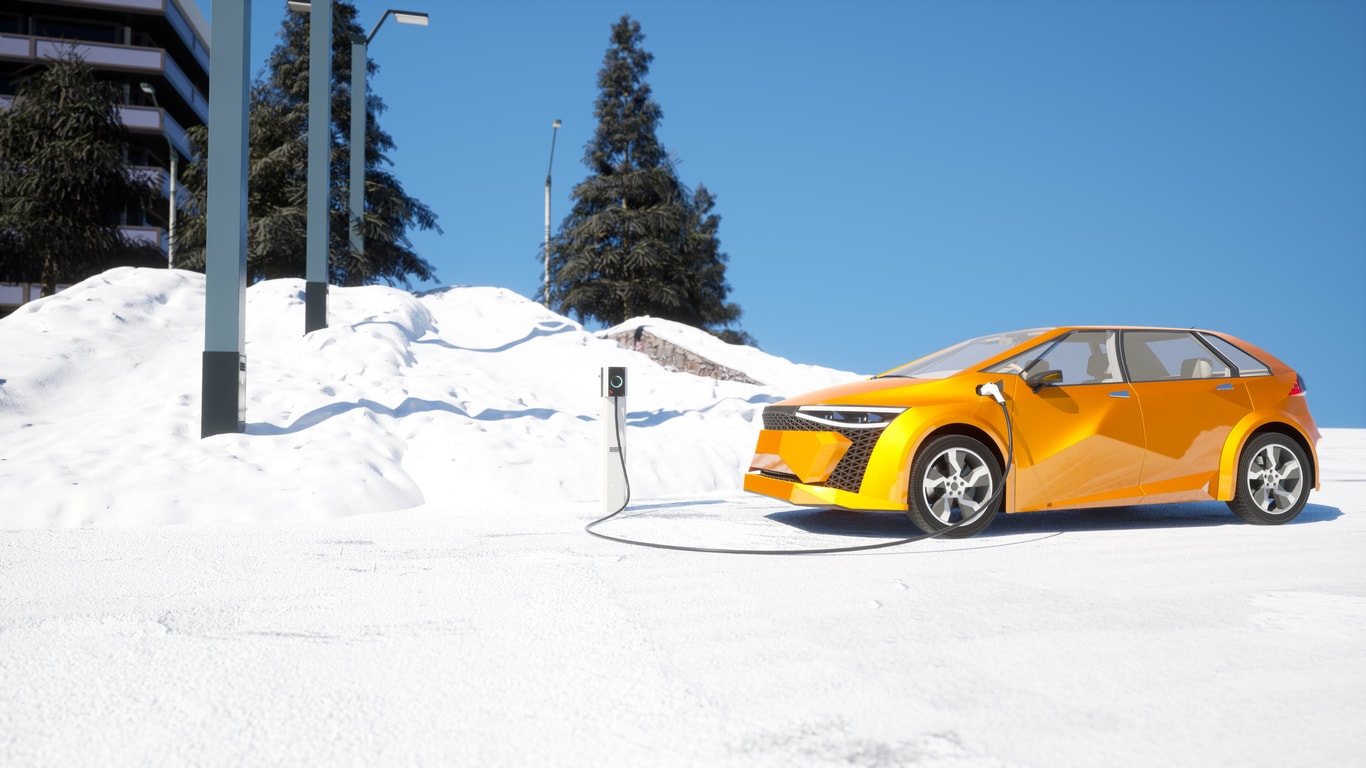
Essential Maintenance to Fortify Your Electric Car Against the Frosts
-
Inspect the battery’s thermal management system to ensure proper function.
-
Check door seals and window insulation to keep the cold out and the warmth in.
-
Verify the proper operation of the defrosting and climate control systems.
These checks are vital; a well-maintained car is your first line of defense against the challenges of cold weather driving. For more detailed guidance, consider reading this electric car maintenance guide to ensure your EV stays in top shape.
EV 4 x 4 Comparison
|
Overview |
|
|---|---|
|
Skoda Enyaq iV |
Front-wheel-drive electric car with an option for 4WD in the ’80x’ trim level, producing 265hp and offering a range of 311 miles. Rapid charging capability. |
|
BMW iX |
All-electric SUV with a pair of electric motors using BMW’s xDrive system, producing between 330hp and 620hp. Official range of 380 miles and fast charging capability. |
|
Audi Q4 e-tron |
Electric SUV available in two or four-wheel drive form, offering up to 319 miles of range with a larger battery. |
|
Tesla Model Y |
Compact SUV with dual motor setup available in Long Range and Performance trims, offering ranges of 331 miles and 319 miles respectively. Quick acceleration with a sporty trim. |
|
Hyundai IONIQ 5 |
Family electric car with a 4WD system delivering 320hp to all four wheels and around 300 miles of range on a single charge. |
|
Tesla Model X |
Large SUV with falcon wing doors, dual motor setup, and two trim levels: Standard and Plaid. Ranges up to 348 miles and 333 miles respectively. |
Inspecting Battery Insulation and Connectivity
First things first, the battery. It’s the powerhouse of your electric car, and in cold weather, its insulation becomes paramount. Ensuring that the battery’s thermal management system is intact and functioning can make a significant difference in performance. This system keeps the battery at an optimal temperature, reducing the strain on it during chilly conditions. Moreover, checking the connections for corrosion or wear can prevent power loss and ensure a smooth flow of electricity. For a detailed understanding, consider reviewing this comprehensive EV battery repair guide.
Remember, a well-insulated and well-connected battery is like a well-insulated home; it keeps the energy in and the cold out, making for a cozy and efficient environment.
Ensuring Tire Health for Ice and Snow
Now, let’s talk tires. The right tire pressure and tread depth can make all the difference when you’re navigating slippery, snowy roads. Cold air can decrease tire pressure, which in turn can reduce traction and efficiency. Regularly check your tire pressure to make sure it’s at the level recommended by the manufacturer.
And don’t forget the tread — worn tires won’t grip the road well, making it harder to control your vehicle. If you live in an area with severe winters, consider investing in winter tires specifically designed to handle icy conditions.
The Role of Software Updates Before Winter Hits
Last but not least, software. Your electric car is a high-tech wonder, and like any technology, it needs updates. Manufacturers often release software updates that can improve various aspects of your car’s performance, including how it manages its battery life in cold weather. These updates can optimize energy use, ensuring that your car runs as efficiently as possible, even when it’s freezing outside.
So, before winter sets in, make sure your car’s software is fully up to date. It’s like giving your car a warm, cozy blanket, in digital form.
Effective Problem-Solving for Common Cold Induced Electric Car Issues
Despite your best efforts, you might still encounter some cold weather-induced problems with your electric car. But fear not, there are solutions to keep you rolling smoothly through the winter wonderland.
Jump-Starting Procedures for the Deep Freeze
If your EV’s battery says “no thanks” to starting up in the cold, don’t panic. Most electric cars have built-in systems to heat the battery and get it ready for action. If your car is being particularly stubborn, try pre-conditioning it by turning on the battery heater using your smartphone app or the car’s timer function. This will gently warm the battery and help it reach the necessary temperature for optimal performance.
Restoring Reduced Range – Tips and Tweaks
One of the most common issues you’ll face in cold weather is a reduced range. To combat this, try these strategies:
-
Preheat your car while it’s still connected to the charger to conserve battery life.
-
Use eco-driving techniques such as gentle acceleration and using regenerative braking to extend your range.
By being mindful of how you drive and using your car’s features to their full advantage, you can squeeze out every possible mile from your battery.
Dealing With a Sluggish Charge Rate
When it’s cold, your EV might take longer to charge. This is because the battery needs to be at a certain temperature to accept a charge efficiently. If you find your charge rate is slower than usual, try scheduling your charging sessions during the warmer parts of the day or use an insulated charger to help maintain the battery’s temperature.
Drive Smarter, Not Harder: Practices for Peak Cold Weather Performance
Driving an electric car in cold weather doesn’t have to be a struggle. With a few smart practices, you can maximize your car’s performance and enjoy a comfortable ride, even when the temperature outside is anything but.
Climate Control: Using Heat Wisely Inside Your EV
Heating your car’s interior can be a drain on the battery, so use it wisely. Seat warmers are a more energy-efficient way to keep warm than blasting the cabin heater. Also, consider using a steering wheel cover to keep your hands warm without needing extra heat.
And remember, if you need personalized advice or assistance with your electric vehicle during the cold months, don’t hesitate to Contact Us. We’re here to help you navigate the challenges of winter driving and keep your electric car running smoothly.
As the mercury dips, it’s not just you who needs to bundle up — your electric car requires special attention too. The cold can be tough on your vehicle, but with the right maintenance, you can ensure it remains reliable and efficient, even when your breath turns to frost in the air.

Warm Up to Expert Advice: Reach Out for Personalized Help
Why a Professional Eye Can Save Your Battery Life
When it comes to electric cars, an ounce of prevention is worth a pound of cure. That’s why having a professional look at your EV before winter sets in can be a game-changer. They can provide a detailed inspection and offer specific advice tailored to your vehicle’s needs and your driving habits. A professional can spot potential issues before they become big problems, saving you time, money, and stress in the long run.
Customizing Your Electric Car Care With Our Support
Every electric car is unique, and so is the way you use it. That’s why we offer customized care plans to suit your specific needs. Whether you’re dealing with the daily commute or planning a long-distance winter road trip, we can help you prepare your EV for whatever lies ahead. Our experts can advise on the best maintenance schedule, the right winter accessories, and even driving strategies to maximize your range and performance in cold weather.
FAQs: Your Currents of Curiosity Addressed
Can Electric Car Batteries Be Preheated?
Yes, many electric cars allow you to preheat the battery, either via a timer setting on the car or a smartphone app. This helps maintain optimal performance and range.
What Are the Signs of a Cold-Affected EV Battery?
Look out for slower acceleration, reduced range, and longer charging times. These can all be signs that the cold is impacting your EV’s battery.
How Does Regenerative Braking Work in Cold Weather?
Regenerative braking may be less efficient in cold weather as the battery’s ability to absorb energy is reduced. However, it still contributes to energy recovery and range extension.
Is There a Most Efficient Electric Car Model for Winter?
Efficiency varies by model, but EVs with advanced thermal management systems tend to perform better in winter conditions.
Can You Permanently Damage an EV Battery in Cold Weathers?
Permanent damage is unlikely if you follow proper maintenance and use the battery within its operating limits. However, prolonged exposure to extreme cold without proper care can reduce the battery’s lifespan.
As the popularity of electric vehicles (EVs) continues to rise, potential buyers often question how these vehicles perform in various weather conditions, particularly during cold weather. Cold temperatures can have a significant impact on an EV’s range and battery performance. It’s crucial for EV owners to understand how to maintain their vehicle’s efficiency during winter months. For those looking to keep their EV in top condition, familiarizing yourself with electric car maintenance costs and best practices is beneficial.